
Vehicle Inspection Practice Test & Exam Prep | New Zealand
$69.00
- Buy to unlock unlimited access to all Quiz questions.
- After purchase you can print a PDF of the whole quiz at any point. The PDF will contain the questions and the correct answers.
About this Exam
The New Zealand Vehicle Inspection certification is the essential qualification required to become an authorized Warrant of Fitness (WoF) or Certificate of Fitness (CoF) inspector. This designation is crucial for maintaining the safety of vehicles on Kiwi roads. The exam process is designed specifically for experienced automotive technicians who have completed their initial qualifications and wish to take the next professional step. By becoming a certified inspector, you move from repairing vehicles to being the final arbiter of their safety and roadworthiness, playing a direct role in Waka Kotahi NZ Transport Agency’s commitment to safer journeys.
Ready to test your knowledge?
Buy Now to Access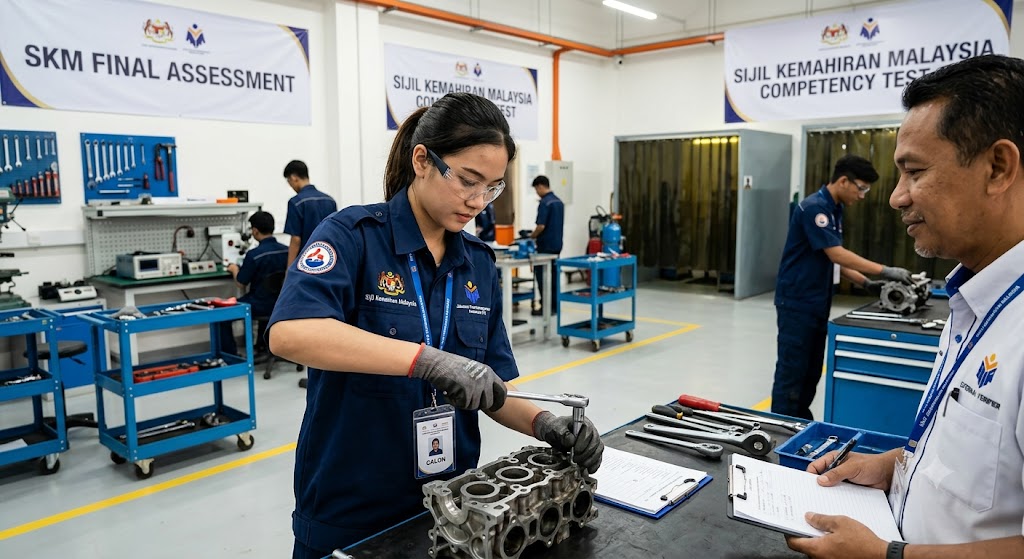
Additional Information
What the Course Entails and Exam Details
This prep program focuses entirely on the practical application of the official Waka Kotahi Vehicle Inspection Requirements Manual (VIRM). The VIRM is the definitive, "open-book" reference for the final exam. The study course will guide you through the manual, training you to quickly navigate its sections, interpret its definitions, and apply its criteria to real-world vehicle scenarios. Core topics covered include:
Vehicle Structural Integrity: Understanding corrosion, damage limits, and repair standards for a vehicle’s chassis and body.
Safety Systems: Comprehensive understanding of the requirements for braking systems, steering, and suspension.
Lighting and Visibility: In-depth study of headlamps, indicators, and the standards for auto-glazing (windscreens) and wipers.
Tires and Wheels: Applying the rules regarding tread depth, condition, and speed ratings.
Documentation and Administration: Correctly filling out checksheets, issuing fail notices, and using the Landata/VIC system.
The "exam details" for your initial certification involve a two-stage assessment administered by Waka Kotahi: first, a theory test, and second, a practical assessment.
What to Expect in the Final Exam
The final assessment to become a Vehicle Inspector is a high-stakes, rigorous process, but it is fair because it directly reflects your daily work. It consists of:
The Theory Test
Format: This is a written, open-book examination. You are encouraged to bring your tabbed and highlighted VIRM into the test.
Question Type: It typically features 25 multiple-choice questions based on various inspection scenarios.
Passing Score: Because road safety is non-negotiable, the required passing score is exceptionally high, usually 22 out of 25 questions correct (88%).
Focus: The test does not just ask what the rules are; it assesses your speed and accuracy in finding the correct rule in the VIRM to make a definitive safety decision.
The Practical Assessment
You will only progress to this stage after passing the theory. A Waka Kotahi assessor will observe you physically inspect a set vehicle (or multiple vehicles) at an approved site. You must demonstrate the correct technique, a logical sequence, and, most importantly, accurate pass/fail decisions that align perfectly with the VIRM for every component.
How to Study and Exam Centers
Actionable Study Strategies
VIRM Masterclass: Treat the VIRM as your primary study tool. Your strategy should be less about memorization and more about efficient search and retrieval. Create custom tabs for major sections (e.g., Brakes, Lighting, Tires). Highlight critical definitions and "reason for rejection" criteria.
Practice is Key: Utilize mock exam papers and practice tests provided by training organizations. These practice questions are designed to mimic the format and logic of the official exam.
Simulate Inspections: In your workshop, treat every car you work on as a WoF test. Sequence the inspection as if the Waka Kotahi assessor were watching you. Ask a colleague to 'audit' your decisions.
Exam Centers and Booking
The official inspector assessments are coordinated by Waka Kotahi NZ Transport Agency. They are not taken at general online testing centers. Instead:
You must be employed by (or intend to work for) an approved Inspecting Organisation (IO), such as a garage, service center, or dedicated testing station.
Your application is submitted through your IO.
The theory test is typically supervised.
The practical assessment is conducted "on-site" at your Inspecting Organisation or an authorized training provider's facility, by a visiting Waka Kotahi assessor.
Job Opportunities from the Course
Becoming a certified vehicle inspector in New Zealand unlocks focused, respected, and stable career paths within the automotive industry. It is a necessary step for promotion and specialization. Key career paths and job titles include:
Warrant of Fitness (WoF) Vehicle Inspector: Authorized to conduct independent safety assessments on light passenger vehicles.
Certificate of Fitness (CoF) Vehicle Inspector: Requires advanced certification for heavy vehicles (CoF-B) or specialized passenger service vehicles (CoF-A).
Senior Automotive Technician with Inspection Authority: A premium role combining repair expertise with final-certification power.
Vehicle Testing Station Manager: Overseeing operations and ensuring compliance for an entire testing facility.
Fleet Maintenance Inspector: A corporate role managing the safety and compliance of large company fleets.
Frequently Asked Questions
Reviews
5.0
Based on 0 reviews
Leave a Review
No reviews yet. Be the first to review!