
Malta Perit Practice Test & Exam Prep
$69.00
- Buy to unlock unlimited access to all Quiz questions.
- After purchase you can print a PDF of the whole quiz at any point. The PDF will contain the questions and the correct answers.
About this Exam
The Malta Perit Warrant Exam is the critical final hurdle for aspiring architects and civil engineers in Malta. This examination, administered by the Kamra tal-Periti (Chamber of Architects and Civil Engineers), is mandatory for graduates holding appropriate architecture or engineering degrees who wish to obtain their professional warrant and legally practice under the protected title of "Perit." This rigorous process evaluates a candidate's readiness to bear professional responsibility and their comprehensive understanding of Maltese legislation, construction regulations, ethics, and practical application of design and engineering principles within the unique local context.
Ready to test your knowledge?
Buy Now to Access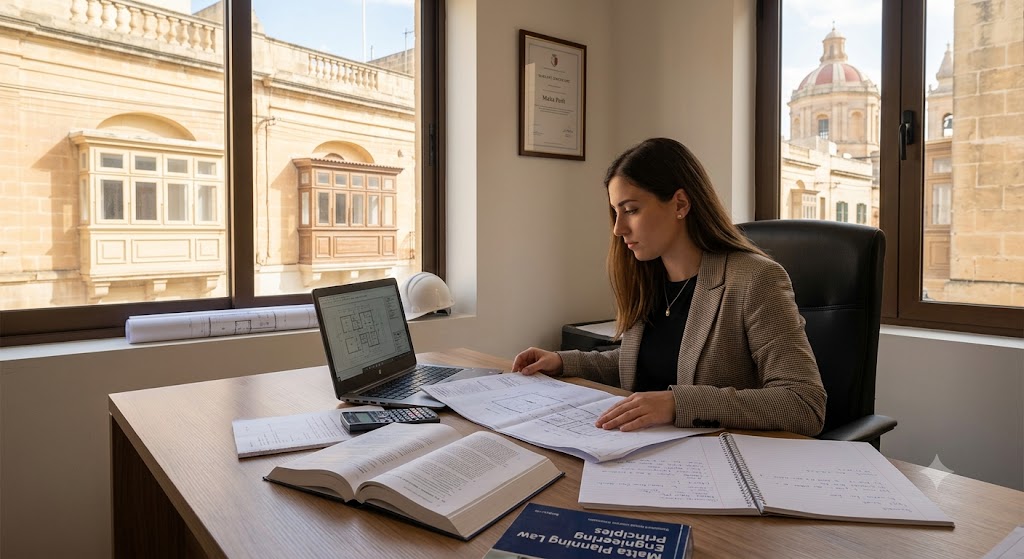
Additional Information
What the Course Entails and Exam Details
As this is a professional warrant examination rather than a taught course, preparation requires comprehensive self-study and practical experience. Candidates must demonstrate deep knowledge across several core areas:
Maltese Planning and Environmental Law: Thorough understanding of the Development Planning Act, Environment Protection Act, and relevant subsidiary legislation.
National Building Regulations: Familiarity with Maltese building codes, safety standards, and administrative procedures (including Planning Authority processes).
Professional Ethics and Conduct: Adherence to the Kamra tal-Periti’s Code of Conduct, detailing professional responsibilities to clients, society, and the environment.
Structural and Civil Engineering Principles: Application of structural design (often incorporating Eurocodes adopted in Malta) and construction methodologies suited to the local geography.
Architectural Design and Conservation: Integrating functional design requirements with considerations for Malta's architectural heritage and urban landscape.
What to Expect in the Final Exam
The Malta Perit Warrant examination typically follows a multi-stage process rather than a single written test:
Written Examination: Candidates usually sit for a written paper that tests theoretical knowledge, application of Maltese law, and practical problem-solving in architecture or civil engineering. This often involves essay questions, case study analysis, and regulatory application scenarios.
Professional Interview (Viva Voce): A significant component involves an interview with an examination board appointed by the Kamra tal-Periti. Candidates are assessed on their professional experience, competence, and ability to discuss complex scenarios ethically.
Portfolio Review (Often Required): As part of the eligibility process, candidates must typically submit a logbook and portfolio documenting their required two years of postgraduate practical experience under the supervision of a warranted Perit. This portfolio may be discussed during the interview.
How to Study and Exam Centers
Effective preparation for the Perit exam centers on practical application and deep familiarity with Maltese regulations:
Study Local Legislation: The most critical step is studying the actual text of the relevant Maltese Acts of Parliament and Legal Notices related to planning, environment, and professional regulation.
Gain Diverse Practical Experience: Ensure your mandatory postgraduate experience covers a broad spectrum of projects, from design and planning applications to site supervision, to build practical competence.
Engage a Mentor: Maintain close communication with your supervising warranted Perit. Ask for feedback, discuss ethical scenarios, and seek guidance on the professional responsibilities of a warrant holder.
Review Kamra tal-Periti Resources: Utilize guidance notes, past notices, and potentially review past exam papers or syllabus outlines provided directly by the Kamra.
Exam Location: The examinations, including the written components and the professional interviews, are conducted directly by the Kamra tal-Periti, typically in their facilities or at designated locations in Malta.
Job Opportunities from the Course
Obtaining the Perit warrant is the key to a range of professional careers in the construction and built environment sectors in Malta:
Warranted Architect
Warranted Civil Engineer
Structural Engineer
Project Manager (Construction and Development)
Planning Consultant (Private Practice or with the Planning Authority)
Conservation and Heritage Architect
Site Manager/Supervisor for Major Projects
Government roles within infrastructure and planning ministries
Here is the accompanying image generated based on your title. It features a professional study environment in Malta, complete with architectural references and a view of traditional limestone buildings.
Frequently Asked Questions
Reviews
5.0
Based on 0 reviews
Leave a Review
No reviews yet. Be the first to review!