
TCOLE Professionalism and Ethics Practice Exam
$69.00
- Buy to unlock unlimited access to all Quiz questions.
- After purchase you can print a PDF of the whole quiz at any point. The PDF will contain the questions and the correct answers.
About this Exam
The Texas Commission on Law Enforcement (TCOLE) Professionalism and Ethics exam is a critical requirement for individuals seeking licensure as peace officers, county jailers, or telecommunicators in Texas. This certification validates that candidates possess the moral character, integrity, and sound judgment necessary to uphold the public trust in a law enforcement capacity. The TCOLE Professionalism and Ethics Practice Exam is an essential study tool designed for students enrolled in basic licensing academies and current professionals preparing for their licensing tests. It helps confirm their understanding of the ethical boundaries and standards of conduct expected in the field.
Ready to test your knowledge?
Buy Now to Access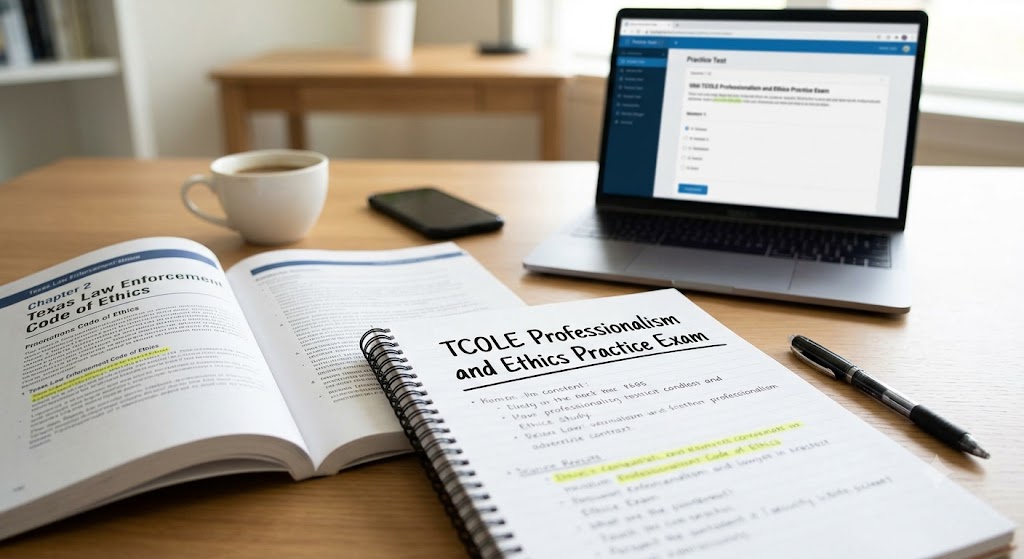
Additional Information
What the Course Entails and Exam Details
The TCOLE ethics and professionalism requirements cover the core principles of ethical decision-making within a law enforcement context. While this practice exam focuses on test preparation, the material it covers is based on the official TCOLE curriculum (such as Course 3702 or relevant modules within basic licensing courses). Key topics include understanding the Law Enforcement Code of Ethics, recognizing common ethical dilemmas (such as gratuities, abuse of authority, and noble cause corruption), exploring the pillars of character, and understanding the consequences of official misconduct. The exam details the expectations for professional behavior, accountability, and maintaining public confidence.
What to Expect in the Final Exam
The actual TCOLE licensing exams are comprehensive state-administered tests. The ethics component is typically delivered as multiple-choice questions within the larger peace officer or jailer licensing exam, though separate TCOLE training courses may have dedicated end-of-course exams. The number of ethics questions depends on the specific license being sought. Generally, TCOLE state exams require a passing score of 70% or higher and are timed. Candidates must pass the exam within three attempts and within the timeframe required by their training academy or appointing agency.
How to Study and Exam Centers
Effective study requires a strong command of the TCOLE curriculum and relevant Texas statutes (such as the Penal Code chapters on official misconduct).
Utilize Practice Exams: Use resources like this TCOLE Professionalism and Ethics Practice Exam repeatedly to familiarize yourself with the question formats and identify weak areas in your knowledge.
Review Core Documents: Study the Law Enforcement Code of Ethics and the Canons of Police Ethics.
Scenario-Based Learning: Practice applying ethical decision-making models (like the A.C.T. model: Alternatives, Consequences, Tell Your Story) to real-world law enforcement scenarios.
Exam Centers: TCOLE licensing exams are administered through authorized training providers, such as police academies, regional councils of government, or licensed testing centers across Texas. Candidates must usually be sponsored by a law enforcement agency or training academy to register for the state licensing exam.
Job Opportunities from the Course
Passing the TCOLE licensing exam (which includes the ethics component) is a mandatory requirement for working in various law enforcement roles in Texas. This certification unlocks career paths such as:
Texas Peace Officer (Municipal Police, Sheriff’s Deputy, Constable, State Trooper)
County Jailer
TCOLE Telecommunicator (Dispatcher)
School Marshal
Reserve Officer
Mastering professionalism and ethics is not just a requirement for the exam; it is the foundation of a successful and respectable career in Texas law enforcement.
Frequently Asked Questions
Reviews
5.0
Based on 0 reviews
Leave a Review
No reviews yet. Be the first to review!