
TCM Diagnostic Theories and Pathologies Practice Test
$69.00
- Buy to unlock unlimited access to all Quiz questions.
- After purchase you can print a PDF of the whole quiz at any point. The PDF will contain the questions and the correct answers.
About this Exam
The Traditional Chinese Medicine (TCM) Diagnostic Theories and Pathologies Practice Test is a comprehensive evaluation tool designed for students and practitioners aiming to master the foundational principles of TCM diagnosis and disease mechanisms. This exam specifically targets those preparing for official certification or licensure exams, such as those administered by national or state boards for acupuncture and Eastern medicine. By simulating the rigors of the actual test, it helps candidates identify knowledge gaps, reinforce critical concepts, and build the confidence necessary to excel in their final examinations. This is an essential resource for anyone committed to achieving a deep, functional understanding of TCM diagnostics and pathology.
Ready to test your knowledge?
Buy Now to Access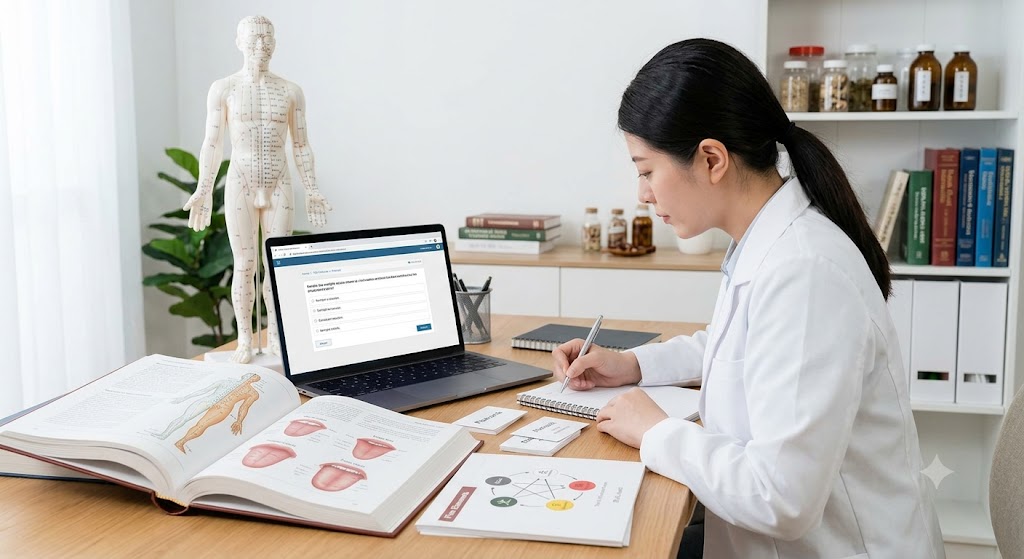
Additional Information
What the Course Entails and Exam Details
This comprehensive practice exam covers the essential pillars of TCM diagnostic theory and pathology. Candidates will be tested on their ability to apply the Four Examinations (Observing, Hearing/Smelling, Asking, and Touching) to gather clinical data. The course content deepens into the intricate systems of pattern identification, including Eight Principles, Zang-Fu Organ Patterns, Qi, Blood, and Body Fluid Patterns, Six Stages, Four Levels, and San Jiao identification. Furthermore, the exam evaluates understanding of pathology – how pathogenic factors (both exogenous and endogenous) affect the body, lead to imbalances, and manifest as specific symptom patterns. Expect detailed questions on pulse and tongue diagnosis, intricate case analysis, and the logical deduction of TCM diagnoses based on presenting signs.
What to Expect in the Final Exam
The official final comprehensive exam for TCM Diagnostic Theories and Pathologies, for which this practice test prepares you, typically utilizes a multiple-choice format to assess broad knowledge. It may also incorporate complex clinical case studies where candidates must synthesize multiple findings to derive correct diagnoses. While passing score requirements and time limits vary significantly by the specific certifying board or institution (e.g., NCCAOM, state boards), the exam is designed to be challenging and time-constrained to ensure competency. Candidates should be prepared for a rigorous evaluation administered in a proctored environment, requiring a thorough, split-second recall of vast amounts of diagnostic information and pathological patterns.
How to Study and Exam Centers
Mastering TCM diagnosis requires both extensive memorization and analytical application. Your study strategy should combine repetitive review of key terminology and diagnostic signs with the diligent analysis of clinical case examples. Create comprehensive flashcards for different pulse types, tongue appearances, and Zang-Fu syndrome patterns. Actively practice differentiations – for instance, understanding exactly how Spleen Qi Deficiency differs from Spleen Yang Deficiency. The TCM Diagnosis Pathologies Practice Exam is a vital tool for simulation; take it under timed conditions to refine your pacing and identify weak points. Official exams are taken at authorized testing centers, which are often specialized physical facilities or sometimes online via secured, proctored portals, as determined by the specific licensing or certifying organization.
Job Opportunities from the Course
Successfully passing licensure or certification exams heavily rooted in TCM Diagnostic Theories and Pathologies opens the door to a rewarding career in Eastern medicine. Mastery of these subjects is essential for safety and efficacy in clinical practice. Here are some key career paths available to certified practitioners:
Licensed Acupuncturist (L.Ac.)
Doctor of Oriental Medicine (OMD or DAOM)
TCM Herbalist
Acupuncture Detoxification Specialist
Wellness Consultant/Health Coach
TCM Instructor/Educator
Holistic Clinic Manager
Integrated Medicine Researcher (Assistant/Associate)
Frequently Asked Questions
Reviews
5.0
Based on 0 reviews
Leave a Review
No reviews yet. Be the first to review!