
Tactical Communication Practice Test
$69.00
- Buy to unlock unlimited access to all Quiz questions.
- After purchase you can print a PDF of the whole quiz at any point. The PDF will contain the questions and the correct answers.
About this Exam
This comprehensive practice test is expertly designed for professionals seeking to master tactical communication skills, an essential component for roles requiring effective conflict resolution, de-escalation, and persuasive communication. It is ideal for individuals in law enforcement, private security, emergency services, healthcare, customer service management, and corporate training. Mastering these principles enables professionals to safely and effectively manage difficult interactions, reduce the risk of physical confrontation, and enhance public trust or organizational harmony. This practice exam allows you to assess your understanding and application of these critical techniques in a controlled environment.
Ready to test your knowledge?
Buy Now to Access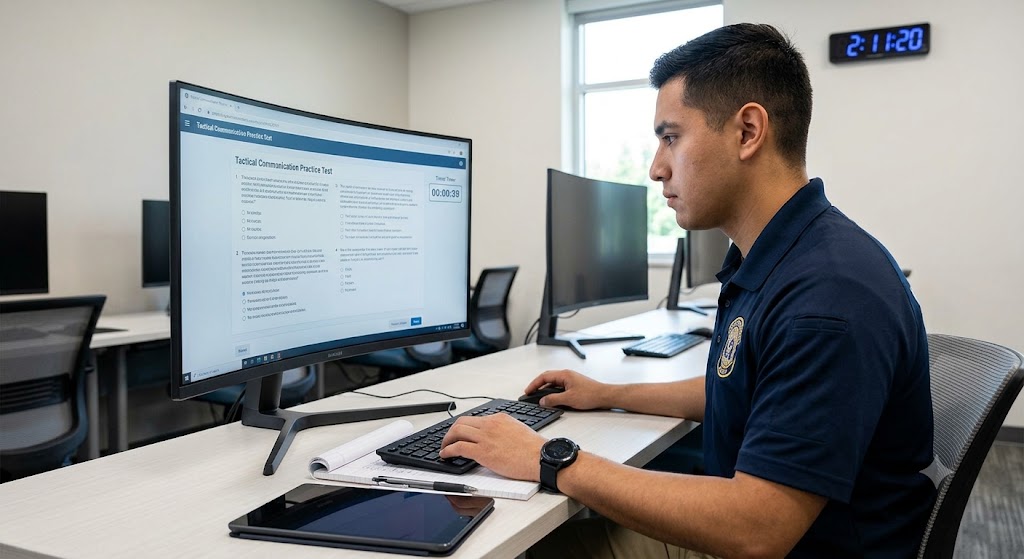
Additional Information
What the Course Entails and Exam Details
This examination covers a broad range of skills focused on professional, strategic, and ethically grounded communication. Candidates can expect to encounter questions on the following core topics:
De-escalation and Crisis Intervention Techniques
Active Listening Skills and Empathy
Non-Verbal Communication Analysis
Verbal Defense and Persuasion Strategies
Ethical and Professional Conduct in Communication
Cultural Competency and Sensitivity in Interactions
Situational Awareness and Threat Assessment
Specific Communication Models (e.g., Verbal Judo principles, or similar strategic frameworks)
What to Expect in the Final Exam
The final certification exam typically consists of a specified number of multiple-choice and scenario-based questions designed to evaluate both theoretical knowledge and practical application. Students must analyze complex situations and select the most appropriate tactical communication response. A passing score, often set between 70% and 80%, is required. The exam is usually timed, often providing between 60 to 90 minutes for completion. Strict adherence to integrity guidelines is mandatory, and exams are frequently proctored, whether taken online or in person.
How to Study and Exam Centers
Effective preparation is key to success. Utilize the following strategies:
Official Study Guides: Review all official training manuals or course materials thoroughly.
Take Practice Tests: Repeatedly take this [Tactical Communication Practice Test] and similar assessments to become familiar with the question format and identify areas needing improvement.
Role-Playing Scenarios: Practice de-escalation techniques through role-playing exercises with colleagues or mentors.
Analyze Case Studies: Study real-world examples of successful and unsuccessful communication efforts in high-stakes situations.
Most certifications in tactical communication are administered through specialized online training portals, authorized vocational schools, or accredited testing centers like Pearson VUE. Check with your training provider for specific instructions on scheduling and location.
Job Opportunities from the Course
A certification in tactical communication validates a highly sought-after skill set, opening doors to numerous career paths including:
Law Enforcement Officer (all levels)
Security Guard and Private Security Detail
Emergency Medical Technician (EMT) / Paramedic
Emergency Dispatcher / 911 Operator
Social Worker and Family Counselor
Corporate Trainer / Conflict Resolution Specialist
Customer Service Manager / Relations Specialist
Hospitality Concierge and Front Desk Manager
Flight Attendant and Travel Security
By demonstrating expertise in managing conflict and communicating strategically, you significantly enhance your professional value across diverse sectors.
Frequently Asked Questions
Reviews
5.0
Based on 0 reviews
Leave a Review
No reviews yet. Be the first to review!