
SQA Higher Photography Practice Exam
$69.00
- Buy to unlock unlimited access to all Quiz questions.
- After purchase you can print a PDF of the whole quiz at any point. The PDF will contain the questions and the correct answers.
About this Exam
The SQA Higher Photography qualification is a rigorous course designed for senior school and college students in Scotland who are passionate about the art and craft of capturing compelling images. It is ideal for individuals who want to develop a deep understanding of both the technical and creative aspects of photography. Whether you are aiming for a career in professional photography, moving towards a digital media role, or simply wish to excel in visual communication, this qualification provides a foundational yet comprehensive education in image-making.
Ready to test your knowledge?
Buy Now to Access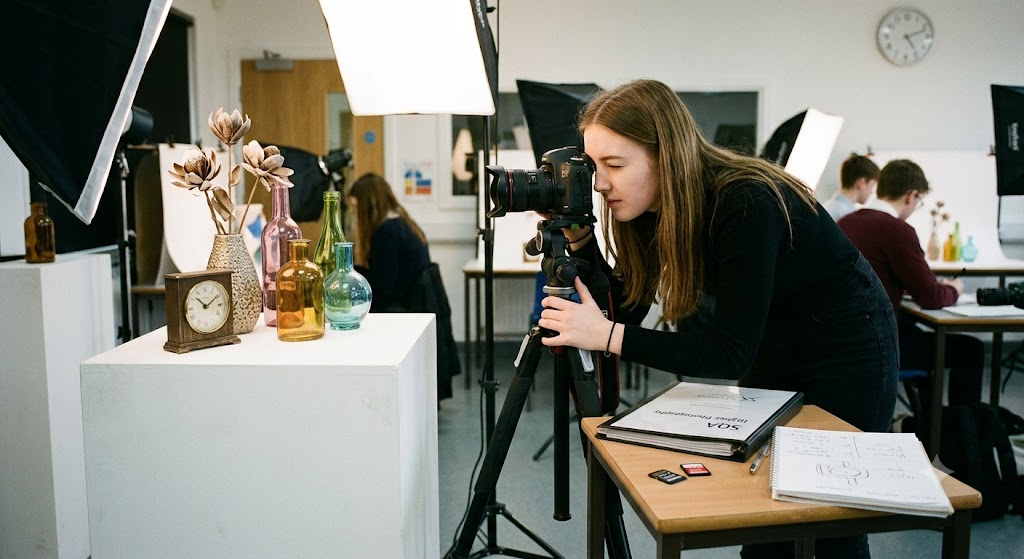
Additional Information
What the Course Entails and Exam Details
This course provides a robust syllabus that blends theoretical knowledge with practical execution. Students will engage with two primary mandatory units: Contextual Imagery and Photographic Techniques. The Contextual Imagery unit focuses on the critical analysis of diverse genres of photography, exploring the social, cultural, and historical influences on image-makers. It enables students to analyze images and research concepts effectively. The Photographic Techniques unit is dedicated to mastering the practical mechanics of the camera, controlling exposure, understanding lighting (both natural and artificial), and managing digital workflow from capture to output. A significant part of the course involves maintaining a structured Photographic Portfolio that details your creative journey and technical proficiency. The overall course assessment structure comprises a substantial Coursework Portfolio, which is internally assessed but externally verified by SQA examiners.
What to Expect in the Final Exam
The unique nature of the SQA Higher Photography qualification means that the 'final exam' is not a single, timed written paper in a traditional hall. Instead, the final grade (A, B, C, or D) is heavily dependent on the assessment of a comprehensive Coursework Portfolio that students build throughout the academic year. This portfolio is a significant project that must demonstrate technical skill, creative imagination, and reflective practice. A successful portfolio typically includes three sections: Section 1: A Plan, outlining the student's research and proposed project; Section 2: A Portfolio of images demonstrating photographic techniques, creative processes, and post-production skills; and Section 3: An Evaluation, which critiques the final outcomes against the initial project plan. Students are required to submit this work according to specific internal and SQA deadlines. The practical nature of the assessment emphasizes sustained creative development over the course of study rather than performance in a short, high-pressure exam.
How to Study and Exam Centers
Effective preparation for your portfolio involves continuous practice and a proactive approach. Actionable Study Strategies: Develop a schedule to consistently practice different camera settings, compositions, and lighting styles in real-world scenarios. Study the work of influential historical and contemporary photographers across various genres to inspire your own projects and deepen your contextual analysis. Actively seek constructive criticism from teachers and peers on your developing work to refine your technical execution and artistic vision. Familiarize yourself with image-editing software and digital file management to ensure your portfolio meets professional presentation standards. Review successfully graded past portfolios provided by your center to understand the required standard of evidence. Exam Centers: The SQA Higher Photography course and all assessments are typically undertaken within an authorized school or college that is a registered SQA center. These centers provide the necessary equipment, software, and expert guidance to support students throughout the course.
Job Opportunities from the Course
A qualification in SQA Higher Photography opens the door to numerous exciting and creative career paths within the vast field of visual media. Successful students can pursue job roles such as: Portrait Photographer, Commercial Photographer (advertising, product), Photojournalist, Fashion Photographer, Wedding and Event Photographer, Fine Art Photographer, Digital Content Creator, Image Editor/Retoucher, Camera Assistant, Studio Manager. This qualification serves as an excellent stepping stone for further higher education in art, media, communication, and, of course, photography.
Frequently Asked Questions
Reviews
5.0
Based on 0 reviews
Leave a Review
No reviews yet. Be the first to review!