
SCA Sensory Intermediate Practice Test
$69.00
- Buy to unlock unlimited access to all Quiz questions.
- After purchase you can print a PDF of the whole quiz at any point. The PDF will contain the questions and the correct answers.
About this Exam
The SCA Sensory Intermediate certification is designed for coffee professionals who wish to progress beyond basic sensory skills and build a comprehensive foundation in coffee evaluation. This intermediate-level program from the Specialty Coffee Association (SCA) deepens participants' sensory acuity and standardized tasting techniques. It is ideal for individuals working as baristas, roasters, quality control specialists, and anyone aiming to refine their palate for evaluating coffee attributes and qualities in a structured manner.
Ready to test your knowledge?
Buy Now to Access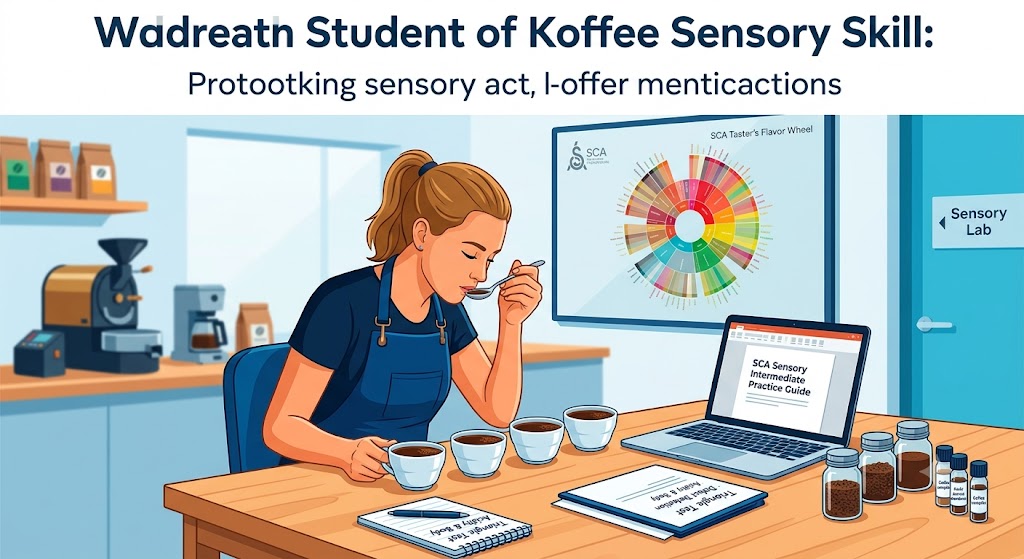
Additional Information
What the Course Entails and Exam Details
The SCA Sensory Intermediate course covers a range of advanced sensory topics that go beyond foundational taste identification. Key learning objectives typically include:
Developing more sophisticated descriptive language and understanding sensory principles.
Applying standard cupping protocols with precision and consistency.
Mastering methodologies like triangle tests and sensory panels for evaluation.
Exploring variables that affect coffee flavor, such as processing methods, roast level, and origin.
Focusing on discriminating between subtler attributes, defects, and complex flavor profiles using standardized tools like the Taster's Flavor Wheel.
Gaining deeper insights into the physiology of taste and scent.
What to Expect in the Final Exam
The final examination typically features both a written and a practical component. The written exam consists of multiple-choice questions assessing knowledge of theoretical concepts in sensory science, standardized cupping practices, and coffee quality factors. Candidates must also demonstrate practical competency. This hands-on assessment often involves blind identification of specific tastes or defects, performing precise cupping procedures, and participating in sensory evaluation tests. Minimum passing scores for both written and practical parts are generally required to achieve certification. The exact structure and passing criteria will be provided by your course trainer.
How to Study and Exam Centers
To prepare effectively, candidates should thoroughly study the official SCA Sensory Intermediate course materials and review related publications. Regularly practice standardized cupping procedures, focusing on distinguishing subtle flavors and detecting common coffee defects. Sensory training kits and practice sessions with varied coffees are valuable study aids. Many students also form study groups for collaborative learning. The examination is administered by Authorized SCA Trainers (ASTs) at dedicated SCA Premier Training Campuses, authorized coffee academies, or other certified facilities globally. You can find courses and registered trainers through the SCA website to enroll.
Job Opportunities from the Course
Earning this certification significantly enhances career opportunities within the specialty coffee sector. Graduates can advance into diverse specialized roles. Key positions include:
Quality Control Manager or Specialist, overseeing consistent coffee quality.
Roaster, fine-tuning roasting profiles based on precise sensory analysis.
Green Coffee Buyer or Sourcing Assistant, evaluating green coffee samples.
Sensory Panel Leader, guiding quality assessment teams.
Coffee Educator or Trainer, sharing sensory knowledge.
Head Barista or Barista Lead, demonstrating advanced tasting skills.
Coffee Sourcing and Sustainability Roles, with skills relevant to sourcing.SCA Sensory Intermediate Practice Exam
Frequently Asked Questions
Reviews
5.0
Based on 0 reviews
Leave a Review
No reviews yet. Be the first to review!