
SAEM Cardiovascular (CV) Practice Test
$69.00
- Buy to unlock unlimited access to all Quiz questions.
- After purchase you can print a PDF of the whole quiz at any point. The PDF will contain the questions and the correct answers.
About this Exam
The SAEM Cardiovascular (CV) Practice Test is an invaluable tool for clinicians, especially in emergency medicine, to assess and solidify their understanding of critical cardiac conditions. It simulates a rigorous exam environment to test knowledge relevant to life-saving clinical decisions in cardiovascular emergencies. This practice test is designed for emergency medicine residents, fellows, and physicians aiming to enhance their diagnostic and therapeutic skills in managing acute cardiac presentations. Preparing with this resource builds confidence and competency when facing real-world cardiovascular challenges in the fast-paced emergency department.
Ready to test your knowledge?
Buy Now to Access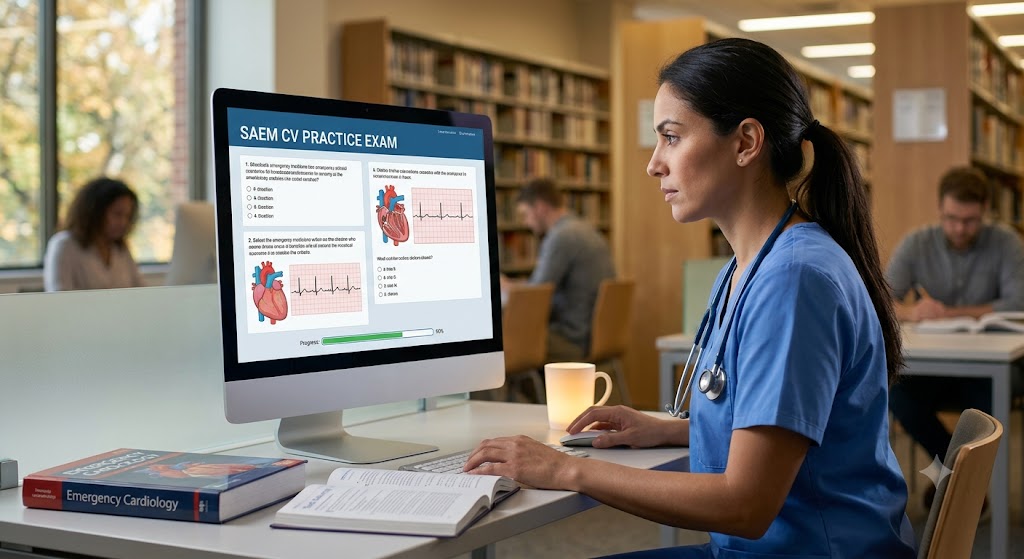
Additional Information
What the Course Entails and Exam Details
As a comprehensive study aid, the SAEM CV Practice Test focuses deeply on the essential knowledge required to manage cardiovascular emergencies effectively in clinical practice. The test material is meticulously updated to reflect current evidence-based guidelines and best practices in emergency cardiology. Key areas covered in the test include the rapid assessment and management of acute coronary syndromes, acute heart failure, lethal arrhythmias, and hemodynamic instability. Participants can expect questions that explore their understanding of electrocardiogram (ECG) interpretation, cardiovascular pharmacology, invasive monitoring techniques, and life-saving procedural interventions. By challenging clinicians with complex cardiovascular scenarios, this practice test ensures they are prepared for the high-stakes decisions demanded in the emergency room.
What to Expect in the Final Exam
The actual exam you will take (the SAEM Assessment or a similar standardized test) follows a rigorous format, typically utilizing multiple-choice questions designed to evaluate clinical decision-making. These questions are scenario-based, requiring the application of cardiovascular knowledge to solve complex patient presentations efficiently under pressure. While the exact passing score requirements may vary depending on the specific institution or certification board using the assessment, candidates should aim for a high level of mastery in the cardiovascular domain. The final exam will be timed to simulate real clinical environments, emphasizing critical thinking and speed in making accurate diagnoses. Understanding these exam details is crucial for developing effective test-taking strategies and achieving optimal results in both the practice and the official assessments.
How to Study and Exam Centers
To prepare effectively for the SAEM CV Practice Test, adopt an active and consistent study schedule focused on high-yield cardiovascular topics and clinical practice guidelines. Reviewing core emergency cardiology materials, analyzing complex ECGs daily, and utilizing evidence-based clinical algorithms are excellent starting points. Working through practice questions systematically will help you identify weak areas and refine your diagnostic thinking processes for cardiovascular emergencies. The final practice assessments and official SAEM exams are primarily delivered through integrated online portals. Educational institutions, such as residency programs, provide access to these specialized testing platforms for their trainees. Ensure you follow the specific guidelines and deadlines set by your program and institution when scheduling and taking your simulated or official assessments.
Job Opportunities from the Course
A strong performance on assessments like the SAEM Cardiovascular Practice Test demonstrates a high level of proficiency and commitment to excellence in a critical area of medicine. While the test itself is an assessment tool, the mastery it represents significantly enhances your career trajectory and professional opportunities. Here are some key career paths and job opportunities where robust cardiovascular knowledge, proven through this type of preparation, is highly valuable:
Emergency Medicine Attending Physician
Emergency Medicine Cardiology Fellow
Cardiology Emergency Department Specialist
Academic Emergency Medicine Faculty (with a focus on cardiovascular research or education)
EMS Medical Director (managing out-of-hospital cardiovascular emergencies)
Acute Care Cardiology Physician Assistant or Nurse Practitioner
Intensive Care Unit (ICU) Physician with strong critical care cardiology expertise
Frequently Asked Questions
Reviews
5.0
Based on 0 reviews
Leave a Review
No reviews yet. Be the first to review!