
PALS Chapter 6: Respiratory Distress or Failure Practice Test
$69.00
- Buy to unlock unlimited access to all Quiz questions.
- After purchase you can print a PDF of the whole quiz at any point. The PDF will contain the questions and the correct answers.
About this Exam
The PALS Chapter 6: Respiratory Distress or Failure Practice Test is an essential resource for healthcare professionals preparing for their Pediatric Advanced Life Support (PALS) certification. This practice test focuses specifically on one of the most critical aspects of pediatric emergency care: identifying and managing respiratory emergencies in infants and children. It is designed for pediatricians, nurses, paramedics, respiratory therapists, and other medical providers who need to demonstrate proficiency in recognized PALS algorithms and life-saving interventions for pediatric patients experiencing respiratory compromise.
Ready to test your knowledge?
Buy Now to Access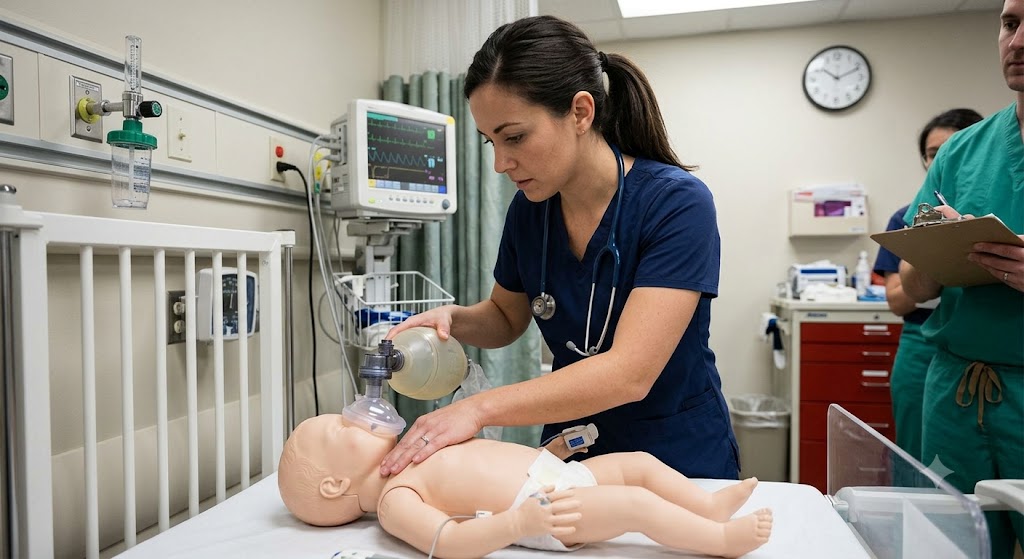
Additional Information
What the Course Entails and Exam Details
This section of the PALS curriculum focuses deeply on the assessment and management of pediatric respiratory emergencies. The core topics covered include:
Distinguishing between respiratory distress and respiratory failure in pediatric patients.
The PALS Systematic Approach (Evaluate-Identify-Intervene) as applied to respiratory issues.
Recognizing and managing upper and lower airway obstructions.
Identifying signs of lung tissue disease (like pneumonia) and disordered control of breathing.
Proper administration of oxygen therapy and understanding various oxygen delivery devices.
Mastering basic airway management skills, including bag-mask ventilation.
Understanding and applying the PALS respiratory management algorithms.
This practice test specifically targets understanding the physiology of pediatric respiratory systems and how to react quickly and effectively according to current PALS guidelines.
What to Expect in the Final Exam
While this is a practice test, the official PALS certification exam typically includes both a cognitive (written) and a psychomotor (skills) component.
The cognitive exam consists of multiple-choice questions covering all chapters of the PALS provider manual, including the respiratory distress and failure concepts practiced here. You can generally expect questions covering rhythm identification, drug dosages, and algorithm application based on clinical scenarios. A passing score is usually 84% or higher.
The practical component involves participating in simulated clinical scenarios where you must demonstrate your ability to lead or participate effectively in a pediatric resuscitation team, managing respiratory and cardiac emergencies in real-time.
How to Study and Exam Centers
Effective preparation is key to passing the PALS exam. To study successfully for the respiratory section and the overall exam:
Review the PALS Provider Manual: Dedicate significant time to thoroughly reading and understanding Chapter 6.
Utilize Practice Tests: Taking targeted practice tests, like this one, helps you identify knowledge gaps and get accustomed to the types of scenario-based questions you will encounter.
Memorize Algorithms: Be able to mentally walk through the PALS algorithms for respiratory distress, failure, bradycardia, and tachycardia without looking at notes.
Practice Skills: If possible, participate in hands-on practice sessions for skills like bag-mask ventilation, advanced airway placement, and drug administration.
The PALS certification course and exam are typically administered through authorized American Heart Association (AHA) training centers. These can be located at hospitals, medical schools, EMS training facilities, and dedicated private training organizations. Many of these centers offer both full in-person courses and blended learning options (online cognitive portion followed by an in-person skills session).
Job Opportunities from the Course
Obtaining PALS certification is often a mandatory requirement or highly preferred qualification for numerous healthcare positions involving the care of children. This certification unlocks several career paths, including:
Pediatric Registered Nurse (RN)
Emergency Room (ER) Nurse
Pediatric Intensive Care Unit (PICU) Nurse
Neonatal Intensive Care Unit (NICU) Nurse
Paramedic
Respiratory Therapist (RT)
Pediatrician
Emergency Medicine Physician
Urgent Care Provider
Flight Nurse/Paramedic
Anesthesiology Assistant (CAA) or CRNA
Frequently Asked Questions
Reviews
5.0
Based on 0 reviews
Leave a Review
No reviews yet. Be the first to review!