
NASM Chapter 12 Practice Test – Posture, Movement, and Performance Assessments
$69.00
- Buy to unlock unlimited access to all Quiz questions.
- After purchase you can print a PDF of the whole quiz at any point. The PDF will contain the questions and the correct answers.
About this Exam
The NASM Certified Personal Trainer (CPT) exam is one of the most respected certifications in the fitness industry, designed to equip aspiring trainers with the scientific knowledge and practical skills needed to succeed.
A critical component of this certification is Chapter 12, which focuses specifically on Posture, Movement, and Performance Assessments.
These assessments are the foundation of effective program design, allowing trainers to identify muscle imbalances and movement deficiencies before creating a workout plan.
Mastering this chapter is essential not just for passing the exam, but for safely and effectively training clients in the real world.
Ready to test your knowledge?
Buy Now to Access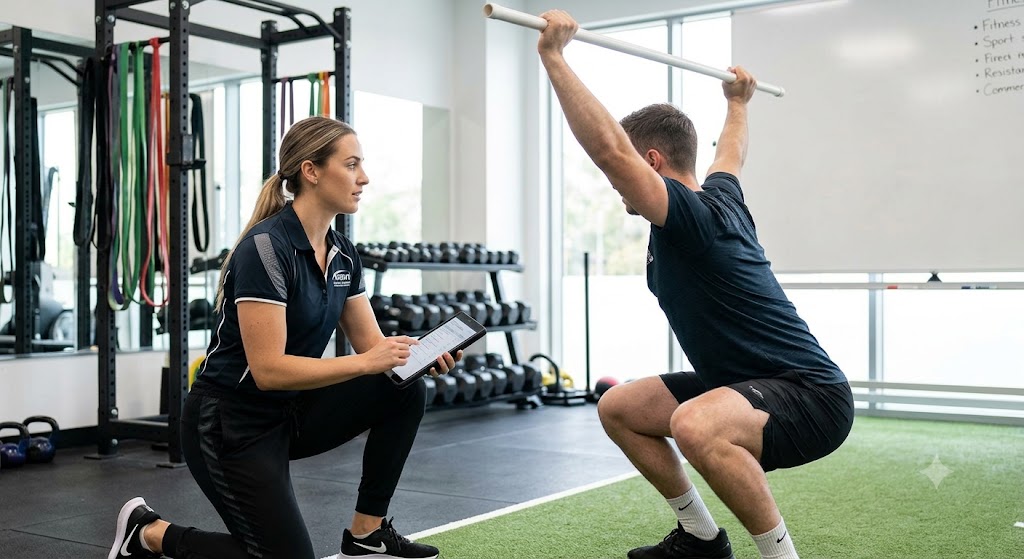
Additional Information
What the Course Entails and Exam Details
NASM Chapter 12 provides a systematic approach to assessing a client's movement quality and physical readiness.
Students will delve deeply into the three key areas mentioned in the title: Static Posture, Dynamic Posture (Movement), and Performance.
Specifically, this includes learning the kinetic chain checkpoints for static posture, and mastering dynamic assessments such as the Overhead Squat Assessment, Single-leg Squat Assessment, and Pushing/Pulling Assessments.
You will also understand how to interpret movement compensations and relate them to overactive or underactive muscles, a vital skill for developing corrective exercise strategies.
What to Expect in the Final Exam
While you are preparing specifically for Chapter 12, it's important to understand the structure of the full NASM CPT final exam.
The final NASM CPT exam consists of 120 multiple-choice questions.
Candidates are given a time limit of two hours (120 minutes) to complete the test.
A passing score is 70% or higher.
You should expect several questions directly related to Chapter 12, testing your ability to identify correct assessment protocols and interpret common movement compensations.
How to Study and Exam Centers
To effectively study for NASM Chapter 12, you must combine book learning with practical application.
First, thoroughly review the chapter text and take detailed notes on the specific assessments and corresponding muscle imbalances.
Use flashcards to memorize key terms, the kinetic chain checkpoints, and the common overactive/underactive muscles associated with specific movement deviations (e.g., knee valgus during a squat).
Practicing these assessments is crucial; try performing the overhead squat assessment on yourself or friends to get comfortable identifying compensations in real-time.
Take multiple practice quizzes and mock exams that specifically focus on Chapter 12 content.
When you are ready, you will register for the official proctored exam through the NASM website.
You will have the option to take the exam remotely via online proctoring from your home, or in-person at an authorized testing center, which are typically Pearson VUE locations.
Job Opportunities from the Course
Successfully passing the NASM CPT exam and mastering the assessment protocols in Chapter 12 opens the door to numerous rewarding career paths in the fitness industry.
Some of the job opportunities and career paths this certification unlocks include:
Certified Personal Trainer (working in commercial gyms, private studios, or independently)
Fitness Coach
Strength and Conditioning Coach (often working with athletes)
Group Fitness Instructor (though additional specialization may be needed)
Corporate Wellness Coordinator
Frequently Asked Questions
Reviews
5.0
Based on 0 reviews
Leave a Review
No reviews yet. Be the first to review!