
Free CNA Practice Test 2026 Official State and National Nurse Aide Exams
$69.00
- Buy to unlock unlimited access to all Quiz questions.
- After purchase you can print a PDF of the whole quiz at any point. The PDF will contain the questions and the correct answers.
About this Exam
The Certified Nursing Assistant (CNA) certification is the fundamental gateway to a rewarding career in healthcare. This exam is meticulously designed to validate the essential knowledge, practical skills, and compassionate care required to work effectively in nursing homes, hospitals, long-term care facilities, and home health settings. It is specifically intended for individuals who aspire to provide direct, hands-on patient care under the supervision of Registered Nurses (RNs) or Licensed Practical Nurses (LPNs). Earning your CNA certification is the critical first step toward job security and further advancement in the nursing profession.
Sample Questions
Explanation:
Explanation:
Explanation:
Explanation:
Explanation:
Ready to test your knowledge?
Buy Now to Access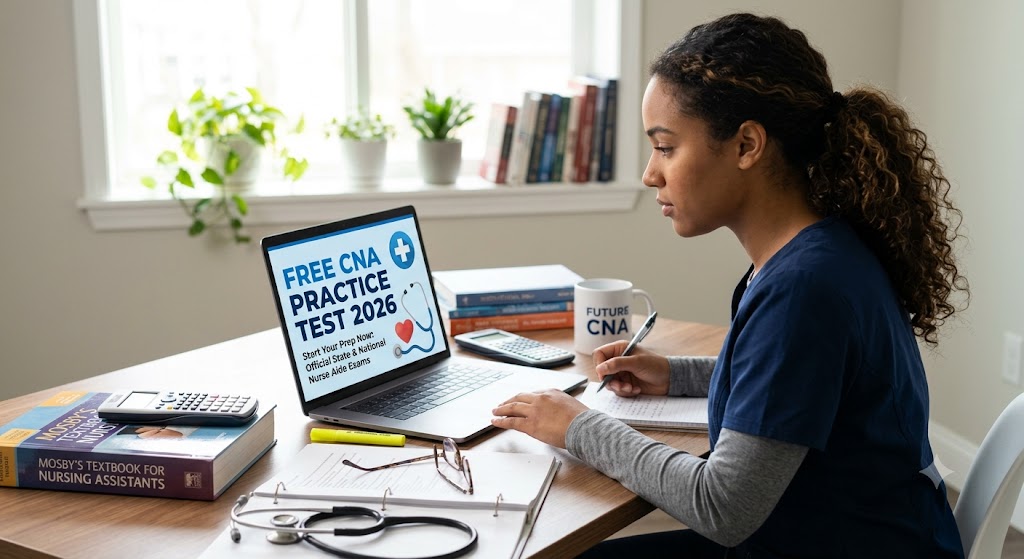
Additional Information
What the Course Entails and Exam Details
CNA preparation courses and the corresponding state and national exams comprehensively cover a wide range of core topics vital for patient safety and well-being. The curriculum typically includes basic nursing skills, such as checking and recording vital signs (temperature, pulse, respiration, blood pressure). Students also learn fundamental restorative skills, patient mobility techniques, infection control procedures, safety measures, and emergency protocols. Furthermore, significant emphasis is placed on understanding residents' rights, communication and interpersonal skills, spiritual and cultural needs, and caring for patients with cognitive impairments. These skills form the foundational knowledge required for everyday practice as a nurse aide.
What to Expect in the Final Exam
The final CNA certification exam generally consists of two distinct components: a written (or oral) knowledge test and a skills evaluation. The written portion typically contains approximately 60 to 70 multiple-choice questions covering the theoretical knowledge discussed in the course materials, with a time limit usually ranging from 90 minutes to two hours. The skills evaluation is a practical, hands-on exam where candidates must successfully demonstrate a random selection of five clinical skills (such as handwashing, transferring a patient, or taking blood pressure) in front of an evaluator. To achieve certification, candidates must achieve a passing score (often around 70-80% or higher, depending on the state) on the written exam and satisfy all requirements during the skills evaluation without any critical errors.
How to Study and Exam Centers
Preparation for the CNA exam requires a combination of reviewing theoretical concepts and consistently practicing hands-on skills. Utilize reputable online resources, including official free practice tests like the Free CNA Practice Test 2026, which familiarize you with the question format and identify areas needing improvement. Form study groups with peers and use flashcards for medical terminology. For the skills portion, practice procedures repeatedly on volunteers or in your lab facility, strictly adhering to established checklists. When you are ready, schedule your exam through state-authorized testing vendors such as Pearson VUE or Prometric. These tests are administered at specific physical testing centers, which are often authorized community colleges, technical schools, or specialized testing facilities within your region.
Job Opportunities from the Course
Earning your CNA certification opens the door to numerous vital roles in various healthcare environments.
Certified Nursing Assistant (CNA) in Long-Term Care
Nurse Aide in Hospitals or Acute Care
Home Health Aide (HHA)
Patient Care Assistant (PCA)
Geriatric Nursing Assistant (GNA)
Resident Assistant in Assisted Living
Frequently Asked Questions
Reviews
5.0
Based on 0 reviews
Leave a Review
No reviews yet. Be the first to review!