
EPA 608 Type 3 Practice Test 2026 (Low-pressure Appliances)
$69.00
- Buy to unlock unlimited access to all Quiz questions.
- After purchase you can print a PDF of the whole quiz at any point. The PDF will contain the questions and the correct answers.
About this Exam
The EPA 608 Type 3 Certification is a mandatory qualification for any technician aiming to maintain, service, repair, or dispose of low-pressure appliances. This certification is crucial for ensuring compliance with environmental regulations regarding the handling of Class I and Class II refrigerants used in these specific systems. This exam is designed for HVAC technicians, building engineers, and maintenance personnel who work with larger systems, typically found in commercial or industrial settings.
This practice test provides a realistic simulation of the types of questions you will face on the actual exam, covering essential concepts and regulatory requirements specific to Type 3 systems.
Ready to test your knowledge?
Buy Now to Access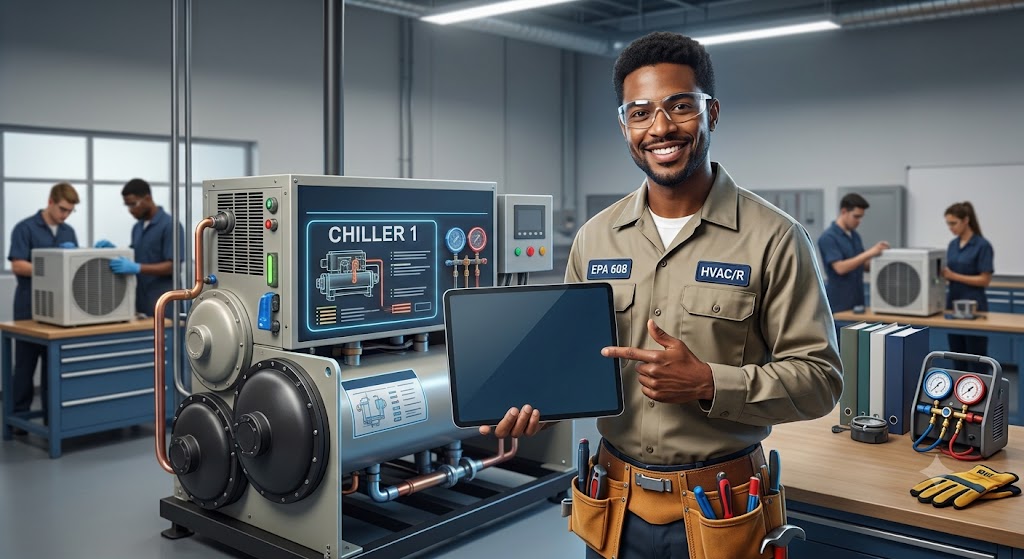
Additional Information
What the Course Entails and Exam Details
The EPA 608 Type 3 course and exam focus heavily on the unique characteristics and safety procedures associated with low-pressure systems. Core topics included in the exam syllabus are:
Leak Detection and Repair: Understanding how to identify leaks in low-pressure systems and the required timeframes and methods for repairing them.
Leak Repair Requirements: Specific regulations and thresholds regarding leak rates for different types of equipment.
Recovery Techniques: Proper methods and equipment for recovering refrigerants from low-pressure systems, including understanding the implications of using recovery vacuum levels.
Reclamation Requirements: Standards and processes for reclaiming recovered refrigerants to required purity levels before reuse.
Safety Precautions: Critical safety measures when working with low-pressure refrigerants and systems, including understanding standard pressure relief device settings.
Regulatory Compliance: Understanding all EPA regulations and record-keeping requirements relevant to Type 3 technicians.
What to Expect in the Final Exam
The actual EPA 608 Type 3 exam is a subset of the comprehensive EPA 608 technician certification. It usually consists of 25 multiple-choice questions specifically dedicated to Type 3 topics. To pass, you generally need a score of 70% or higher. It is usually administered alongside the Core section and potentially other type sections (Type 1 or Type 2).
The exam typically has a time limit, often around 30 to 45 minutes for the Type 3 section alone, though this can vary depending on the testing provider. The exam is often computer-based and may be proctored in person or remotely, depending on the chosen testing center.
How to Study and Exam Centers
Preparation is key to succeeding on the EPA 608 Type 3 exam. Here are effective study strategies:
Utilize Official Study Guides: Rely on study materials and manuals provided by EPA-authorized testing organizations.
Take Practice Tests: Regularly use EPA 608 Type 3 practice tests to become familiar with the question format, identify areas of weakness, and build confidence.
Understand Key Regulations: Dedicate significant time to understanding the specific leak rate thresholds, recovery vacuum levels, and safety standards for low-pressure systems.
Focus on Safety: Memorize safety protocols and best practices for handling refrigerants and operating recovery equipment.
The exam can be taken at various authorized locations, including:
HVACR Training Schools and Trade Schools: Many trade schools are authorized testing centers for their students and the public.
Wholesale Distributors: Some HVACR supply stores host testing sessions.
Online Proctoring Services: Certain organizations offer proctored online exams, allowing you to take the test from your home or workplace.
Pearson VUE Testing Centers: Authorized Pearson VUE locations often administer the EPA 608 exams.
You should contact specific HVAC training programs or search the official EPA website for a list of approved testing organizations to find a location that is convenient for you.
Job Opportunities from the Course
Obtaining your EPA 608 Type 3 Certification opens doors to specialized roles within the HVACR industry, particularly in commercial and industrial sectors. Possible job opportunities include:
Commercial HVAC Technician: Servicing and maintaining large-scale HVAC systems, chillers, and boilers in commercial buildings.
Chiller Technician: Specializing in the repair, installation, and maintenance of large centrifugal and absorption chillers, which frequently utilize low-pressure refrigerants.
Industrial Refrigeration Technician: Working on low-pressure refrigeration systems in food processing plants, cold storage facilities, and other industrial settings.
Facilities Maintenance Engineer: Managing the HVACR systems in large facilities like hospitals, universities, and corporate campuses.
HVAC Service Manager: Leading teams of technicians, planning maintenance schedules, and overseeing complex service projects, often requiring Type 3 knowledge.
Frequently Asked Questions
Reviews
5.0
Based on 0 reviews
Leave a Review
No reviews yet. Be the first to review!