
CRCST Practice Test Chapter 21- Information Technology in Sterile Processing
$69.00
- Buy to unlock unlimited access to all Quiz questions.
- After purchase you can print a PDF of the whole quiz at any point. The PDF will contain the questions and the correct answers.
About this Exam
The Certified Registered Central Service Technician (CRCST) certification is the premier credential for sterile processing professionals, demonstrating critical knowledge and skills in medical device reprocessing. This certification is designed for individuals working in Central Service/Sterile Processing Departments (SPD) responsible for cleaning, decontaminating, sterilizing, and distributing medical instruments.
Chapter 21 focuses specifically on Information Technology in Sterile Processing. Mastering this chapter is essential for modern technicians, as computer systems are now integral to tracking inventory, documenting sterilization cycles, managing quality control, and ensuring regulatory compliance within the SPD.
Ready to test your knowledge?
Buy Now to Access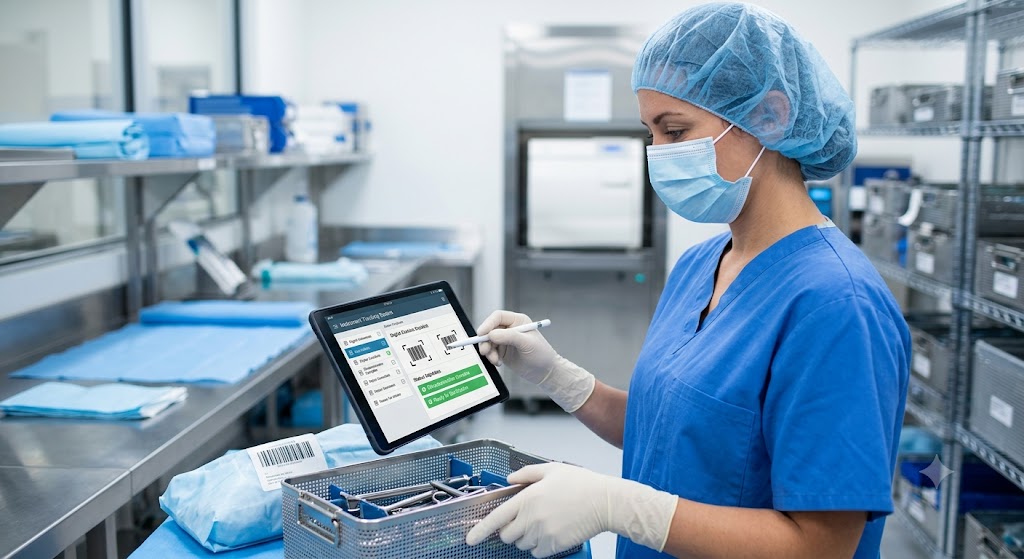
Additional Information
What the Course Entails and Exam Details
This section of the CRCST curriculum equips you with the technological knowledge required in contemporary sterile processing environments.
The key topics covered include:
Instrument Tracking Systems (ITS): Learning how barcodes, RFID technology, and software are used to monitor the location and status of surgical instruments throughout the reprocessing cycle.
Documentation and Record-Keeping: Understanding electronic documentation requirements for sterilization cycles, load biological monitoring, and equipment maintenance.
Material Management Systems: How IT is used for inventory control, ordering supplies, and tracking usage.
Interfaces and Integration: Understanding how SPD information systems communicate with other hospital systems, such as the Operating Room (OR) scheduling software.
Basic Computer Skills and Cybersecurity: Fundamentals of using SPD software applications and recognizing the importance of data security and patient privacy (HIPAA compliance).
What to Expect in the Final Exam
When you take the comprehensive CRCST certification exam, you must be prepared for a rigorous assessment of your Central Service knowledge.
The final CRCST certification exam, administered by the Healthcare Sterile Processing Association (HSPA), typically consists of 150 multiple-choice questions.
Candidates are given a three-hour time limit to complete the exam.
The passing score is standardized, requiring a minimum scaled score of 70 to achieve certification.
How to Study and Exam Centers
Preparation is the key to success on both the Chapter 21 practice test and the final certification exam. Here are actionable study strategies:
Utilize the HSPA Technical Manual: Your primary resource should be the official HSPA Central Service Technical Manual, paying close attention to the concepts and terminology in Chapter 21.
Take Online Practice Tests: Practice with simulation exams specifically targeting Chapter 21 content to assess your understanding of IT applications in sterile processing.
Create Flashcards: Focus on key terms such as RFID, Barcode, Interface, ITS, and various documentation requirements.
Focus on Real-World Application: Relate IT concepts to everyday SPD tasks, understanding why electronic tracking and documentation are critical.
Regarding exam centers, please note that Chapter 21 practice tests are typically taken online through study portals or found within review books.
The final, official CRCST certification exam is a proctored test. You will take this exam at an authorized testing center, such as Pearson VUE, which has locations globally, or sometimes through approved healthcare facilities or schools.
Job Opportunities from the Course
Earning your CRCST certification opens doors to various career paths within healthcare facilities. The information technology skills you gain are increasingly valued as hospitals modernize their departments. Potential job opportunities include:
Central Service Technician (CST)
Sterile Processing Technician (SPT)
Certified Registered Central Service Technician (CRCST)
Instrument Technician
Lead Sterile Processing Technician
Central Service Supervisor/Manager
SPD Educator
Sterile Processing Quality Assurance Coordinator
OR/SPD Liaison
Frequently Asked Questions
Reviews
5.0
Based on 0 reviews
Leave a Review
No reviews yet. Be the first to review!