
BSE Odisha HSC Second Language Exam Prep | India
$69.00
- Buy to unlock unlimited access to all Quiz questions.
- After purchase you can print a PDF of the whole quiz at any point. The PDF will contain the questions and the correct answers.
About this Exam
The BSE Odisha HSC Second Language Exam is a critical assessment for Class 10 students across Odisha, India, forming a core component of their High School Certificate (HSC) board examinations. This exam evaluates students' proficiency in their chosen second language, which is commonly English but can include other options like Bengali or Telugu depending on the school curriculum. It is designed to test language comprehension, grammar, composition skills, and literature knowledge, ensuring students are equipped with necessary language skills for higher education and professional career paths. The examination is designed for all students enrolled in schools affiliated with the Board of Secondary Education (BSE), Odisha.
Ready to test your knowledge?
Buy Now to Access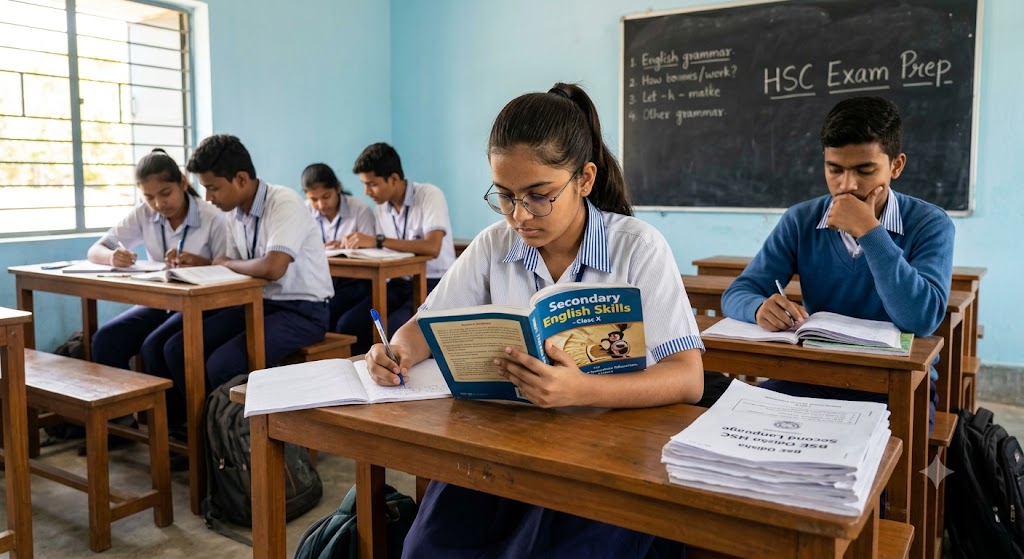
Additional Information
What the Course Entails and Exam Details
The BSE Odisha Class 10 Second Language curriculum is a comprehensive program that focuses on building strong language fundamentals. The core topics and syllabus covered generally include:
Reading Comprehension: Students are expected to read and understand various texts (prose and poetry) to answer questions related to theme, context, vocabulary, and interpretation.
Writing Skills: This section tests composition abilities, requiring students to write essays, formal and informal letters, reports, or applications.
Grammar: A significant portion is dedicated to functional grammar, covering topics like tenses, voice (active and passive), reported speech, clauses, articles, and prepositions.
Literature: The curriculum includes prescribed prose and poetry pieces from specific textbooks. Students must study these texts in detail, understanding character analysis, themes, and literary devices used.
What to Expect in the Final Exam
The BSE Odisha HSC Second Language exam is typically a structured pen-and-paper examination administered directly by the board. The total duration of the examination is usually 2 hours and 30 minutes, with a total value of 100 marks. The paper often incorporates a blend of objective and subjective questions:
Part I (Objective Type): This section, frequently contributing 50 marks, often consists of multiple-choice questions (MCQs) focusing on grammar, vocabulary, and reading comprehension.
Part II (Descriptive Type): This section, also typically worth 50 marks, requires subjective answers. It includes long and short answer questions from the literature section and assesses writing skills through composition tasks like essay and letter writing.
The pass requirement is generally aligned with the standard BSE Odisha board guidelines, which typically necessitate a minimum of 30% to pass in the subject.
How to Study and Exam Centers
Preparation for the BSE Odisha HSC Second Language exam requires consistent effort and strategic planning. Effective study strategies include:
Thorough Textbook Review: Study the prescribed textbooks for prose and poetry extensively. Focus on understanding themes, summarizing chapters, and analyzing characters.
Consistent Grammar Practice: Regular practice of grammar exercises is essential. Utilize standard English grammar workbooks and focus on applying rules correctly.
Solve Sample Papers: Practice with official BSE Odisha sample papers and previous years' board question papers to understand the pattern, time management, and the types of questions asked.
Improve Writing Skills: Practice writing different types of essays, letters, and applications, paying attention to structure, coherence, and correct language usage.
The BSE Odisha HSC examinations are conducted in physical centers rather than through online portals or Pearson VUE. The Board of Secondary Education, Odisha, designates specific physical testing centers, which are typically authorized schools (both government and private) across the state. Students are assigned specific examination centers which are clearly mentioned on their official admit cards issued by the board.
Job Opportunities from the Course
A strong performance in the BSE Odisha HSC Second Language exam is a prerequisite for achieving a High School Certificate, which is a foundational qualification for all future academic and professional endeavors in India. It unlocks numerous opportunities and career paths, either directly or indirectly, through higher education:
Higher Secondary Education (10+2): A pass in the HSC exam is mandatory for admission into Class 11 and 12 in Science, Commerce, and Arts streams.
Vocational Training and Diplomas: Eligibility for various vocational courses, ITI diplomas, and polytechnic courses often requires an HSC pass.
Competitive Exams: Proficiency in the second language (especially English) is crucial for success in competitive exams after 10+2 or graduation for various government and banking sector jobs (e.g., SSC, Railway recruitment).
Foundation for Professional Careers: For students aiming for careers in fields like Engineering, Medicine, Management, or Law, strong performance at the 10th-grade level, especially in language, sets a solid foundation for required future language assessments and professional communication.
Frequently Asked Questions
Reviews
5.0
Based on 0 reviews
Leave a Review
No reviews yet. Be the first to review!