
Approach to Chronic Enteropathy Practice Test
$69.00
- Buy to unlock unlimited access to all Quiz questions.
- After purchase you can print a PDF of the whole quiz at any point. The PDF will contain the questions and the correct answers.
About this Exam
The Approach to Chronic Enteropathy examination is a specialized assessment designed for veterinary professionals, including veterinarians, veterinary internal medicine residents, and advanced veterinary technicians. Chronic enteropathy—persistent gastrointestinal signs such as vomiting, diarrhea, and weight loss—remains one of the most common and challenging clinical presentations in small animal practice. This certification or advanced course module is intended to elevate the clinician’s diagnostic process, therapeutic planning, and long-term management strategies for complex cases. It validates the practitioner's ability to differentiate between dietary-responsive, antibiotic-responsive, and immunosuppressive-responsive enteropathies through evidence-based medicine.
Ready to test your knowledge?
Buy Now to Access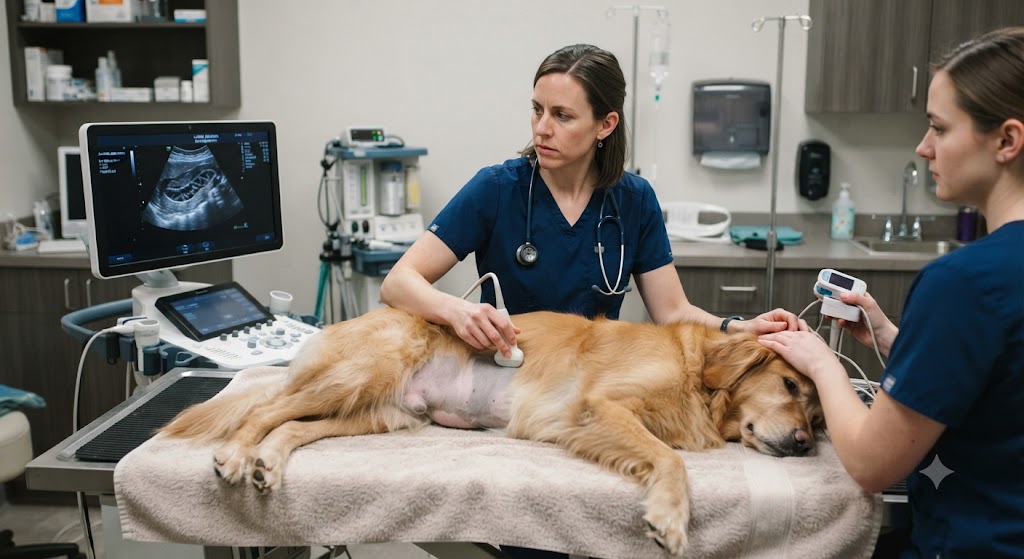
Additional Information
What the Course Entails and Exam Details
This curriculum provides a structured, algorithmic approach
to the patient with chronic gastrointestinal signs. The course syllabus focuses
on moving beyond symptomatic treatment to achieve definitive diagnosis and
optimized management. Key topics covered include:
- Diagnostic
Workup: Establishing a baseline, utilizing minimum database
interpretation, fecal analysis, and the critical role of serum cobalamin
and folate testing.
- Imaging
and Endoscopy: Understanding the utility and limitations of abdominal
ultrasound and the procedural considerations for gastrointestinal
endoscopy and histopathology.
- Nutritional
Management: Evidence-based dietary trials, the selection of hydrolyzed
vs. novel protein diets, and the role of fiber and prebiotics.
- Pharmacotherapy:
The judicious use of antibiotics (and avoiding unnecessary use), the
application of immunosuppressive agents (corticosteroids, cyclosporine),
and the management of protein-losing enteropathy (PLE).
- Monitoring
and Prognosis: Establishing long-term patient monitoring protocols and
understanding how to adjust treatment plans based on clinical response.
What to Expect in the Final Exam
The final examination typically features a rigorous format
that tests both theoretical knowledge and clinical reasoning skills. You can
expect a combination of multiple-choice questions (MCQs), matching, and
true/false items designed to evaluate recall of current ACVIM (American College
of Veterinary Internal Medicine) guidelines.
More importantly, the exam often includes clinical case
studies. These scenarios will provide patient signalment, history, laboratory
findings, and imaging results, asking you to identify the most appropriate next
diagnostic step or treatment adjustment. While specific requirements vary by
institution, a passing score of 70% to 80% is generally required to demonstrate
competency. The exam is typically timed, and candidates should be prepared to
work efficiently through complex diagnostic flowcharts.
How to Study and
Exam Centers
Mastery of this material requires a systematic approach to
clinical veterinary literature. Start by reviewing the most recent consensus
statements on chronic enteropathy published in major veterinary journals. Create
personal "decision trees" for the various phenotypes of chronic
enteropathy to visualize the diagnostic path from initial workup to biopsy and
treatment. Using practice tests is highly effective for acclimating yourself to
the clinical case study format.
Regarding exam logistics, these specialized veterinary
assessments are usually administered through your specific educational
institution, residency program, or professional certification board. Many
programs utilize secure online testing portals for initial modules, while
high-stakes certification exams are often conducted in-person at professional
conferences, authorized veterinary teaching hospitals, or established testing
centers. Always confirm the examination format and proctoring requirements
directly with your program coordinator well in advance.
Job Opportunities
from the Course
Earning a qualification in the advanced management of
chronic enteropathy significantly enhances your professional standing in
veterinary medicine. It opens doors to more specialized clinical roles and
career paths within hospitals and academia.
Career paths unlocked by this expertise include:
- Small
Animal Internal Medicine Veterinarian
- General
Practitioner with a Clinical Interest in Gastroenterology
- Veterinary
Internal Medicine Resident
- Specialty
Hospital Associate
- Veterinary
Clinical Nutrition Consultant
- Academic
Lecturer or Clinical Instructor
- Veterinary
Professional Development Manager
By honing these critical skills, you position yourself as a
highly capable clinician ready to handle the most challenging gastrointestinal
cases in modern veterinary practice.
Frequently Asked Questions
Reviews
5.0
Based on 0 reviews
Leave a Review
No reviews yet. Be the first to review!