
Anticipatory Guidance Practice Exam
$69.00
- Buy to unlock unlimited access to all Quiz questions.
- After purchase you can print a PDF of the whole quiz at any point. The PDF will contain the questions and the correct answers.
About this Exam
The Anticipatory Guidance practice exam is an essential resource designed for healthcare professionals, particularly pediatric nurses, nurse practitioners, physician assistants, and medical residents specializing in primary care. This exam evaluates a candidate’s ability to proactively counsel patients and their families regarding upcoming developmental milestones, health maintenance, safety precautions, and nutritional needs. By focusing on prevention and education, passing this certification demonstrates that you possess the critical thinking skills necessary to guide families through the various stages of child and adolescent development.
Ready to test your knowledge?
Buy Now to Access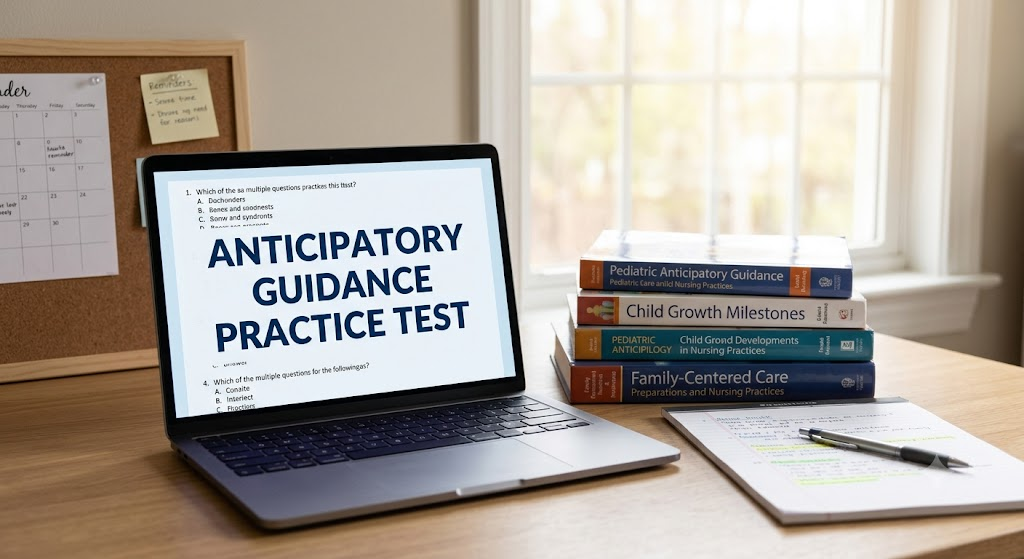
Additional Information
What the Course Entails and Exam Details
The curriculum covered by this practice exam spans a wide range of healthcare topics. Candidates must demonstrate proficiency in recognized developmental theories, physical growth patterns, immunization schedules, and age-appropriate nutritional guidelines. The core focus is on identifying potential health or developmental risks before they emerge and providing actionable advice to caregivers. Key skills assessed include behavioral counseling techniques, injury prevention strategies for different age groups (infants to adolescents), and recognizing the psychosocial dynamics of modern families.
What to Expect in the Final Exam
The final official exam is a comprehensive, computer-based assessment. Candidates should expect approximately 100 to 150 multiple-choice questions, many of which are scenario-based, requiring the application of clinical knowledge to real-world patient situations. The passing score varies slightly by the specific certifying board but generally ranges between 70% and 75%. The time limit for the exam is usually around three hours. It is critical to manage your time effectively, as many questions require careful reading of the case presentation. No outside reference materials or digital devices are permitted during the testing session.
How to Study and Exam Centers
Effective preparation requires a blend of reviewing core textbook materials and active practice. Candidates are encouraged to create structured study schedules that cover each developmental stage in detail. Utilizing practice exams is one of the most effective strategies, as it familiarizes you with the question format and helps identify knowledge gaps. When you are ready to take the official exam, you will need to register through the authorized certifying body’s website. These exams are typically administered at secure, proctored professional testing centers, such as those operated by Pearson VUE, located globally. Some organizations may also offer remote proctoring options that allow you to take the exam from a secure home environment.
Job Opportunities from the Course
Achieving certification in anticipatory guidance significantly enhances your professional standing in primary and preventative care settings. This credential unlocks numerous career paths and job opportunities, including:
Pediatric Nurse Practitioner
Family Nurse Practitioner
Pediatric Clinic RN
Community Health Educator
Public Health Nurse
Early Childhood Development Specialist
Primary Care Physician Assistant
Maternal and Child Health Coordinator
Frequently Asked Questions
Reviews
5.0
Based on 0 reviews
Leave a Review
No reviews yet. Be the first to review!