
ADEX Diagnostic Skills Examination (DSE) Practice Test
$69.00
- Buy to unlock unlimited access to all Quiz questions.
- After purchase you can print a PDF of the whole quiz at any point. The PDF will contain the questions and the correct answers.
About this Exam
The ADEX Diagnostic Skills Examination (DSE) is a critical milestone for dental candidates seeking licensure in the United States and other participating jurisdictions. This comprehensive, computer-based test evaluates a candidate's ability to diagnose various dental conditions and develop sound treatment plans based on presented clinical data. Unlike the patient-based portions of dental licensure exams, the DSE focuses purely on cognitive skills and diagnostic acumen. It is designed for dental students in their final year and graduates of accredited dental programs who are ready to prove their readiness for independent practice. A robust practice test is invaluable for simulating the exam environment and refining the sharp diagnostic skills required to pass.
Ready to test your knowledge?
Buy Now to Access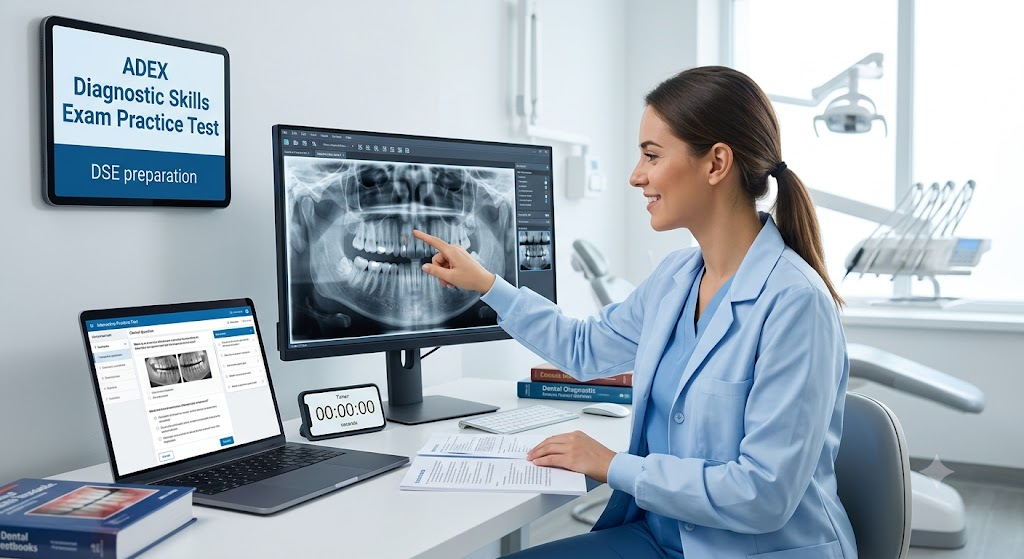
Additional Information
What the Course Entails and Exam Details
The ADEX DSE practice material and actual exam cover the full spectrum of dental diagnostics required of a general dentist. The curriculum and practice test will focus heavily on:
Radiographic Interpretation: Analyzing full-mouth series (FMX), panoramic X-rays, and bitewings to identify caries, bone loss, pathology, dental anomalies, and relevant anatomical structures.
Case Analysis: Synthesizing clinical information including medical and dental histories, patient symptoms, and findings from clinical examinations.
Periodontal Diagnosis: Interpreting periodontal charting, evaluating bone levels radiographically, and determining appropriate periodontal diagnoses.
Restorative Dentistry & Treatment Planning: Formulating comprehensive treatment plans for complex cases involving restorative, endodontic, prosthetic, and surgical needs. This includes prioritizing care and considering patient factors.
Diagnosis Formulation: Accurately diagnosing dental diseases and conditions from provided evidence.
The practice test aims to mirror this structure, providing realistic clinical scenarios that require sharp critical thinking to navigate.
What to Expect in the Final Exam
The actual ADEX Diagnostic Skills Examination is typically a computerized test administered at specific testing centers. Candidates can expect a standard, proctored testing environment. The final exam includes numerous clinical cases, each presenting with a combination of radiographs, intraoral photographs, periodontal charts, and medical/dental histories. Questions are generally multiple-choice or similar objective formats, asking candidates to select the most appropriate diagnosis, next step in care, or comprehensive treatment plan.
While exact time limits and the number of questions can vary slightly by administration, the exam is timed, requiring efficient pace and decisiveness. A passing score is determined by ADEX guidelines and reflects minimum competency for entry-level practice. Strict security rules are in place, including photo identification and constraints on personal items within the testing area.
How to Study and Exam Centers
Effective preparation for the DSE requires a strategy focused on active application of knowledge. Don't just review textbooks; focus on case studies. The most valuable study strategy is using dedicated practice tests that simulate the timing and clinical reasoning required. Analyze official ADEX sample cases when available. Strengthen your radiographic interpretation skills by reviewing hundreds of X-rays daily, focusing on identifying subtle differences between normal anatomy and pathology. Practice creating comprehensive treatment plans for complex patient cases. Time management is crucial, so take practice tests under timed conditions to improve speed without sacrificing accuracy.
The ADEX Diagnostic Skills Examination is often administered at various dental schools during dedicated exam windows, and also through third-party testing organizations with widespread networks, such as Prometric or Pearson VUE. Candidates should consult the official ADEX website or the specific dental testing agency managing the exam for a definitive list of current testing locations, registration deadlines, and center policies.
Job Opportunities from the Course
Passing the ADEX Diagnostic Skills Examination is a foundational requirement for obtaining a full, independent license to practice dentistry. This certification is the essential key that unlocks countless career opportunities, including:
General Dentist in Private Practice: Providing comprehensive care as an associate, partner, or owner of a dental practice.
Associate Dentist: Working in group practices or established dental clinics.
Dental Specialist: (Requires further post-graduate training) Pursuing specialties like Orthodontics, Oral Surgery, or Periodontics.
Corporate Dentistry Dentist: Working within larger dental service organizations (DSOs).
Public Health Dentist: Serving in community health centers or government agencies.
Hospital Dentist: Providing dental care within a hospital setting.
Dental Educator: Teaching at dental or dental hygiene schools (often with advanced training or experience).
Military Dentist: Serving as a dentist within the armed forces.
The DSE represents your command over the critical thinking skills that are the hallmark of a competent dental professional. Start preparing today to accelerate your journey to licensure.
Frequently Asked Questions
Reviews
5.0
Based on 0 reviews
Leave a Review
No reviews yet. Be the first to review!