
Acat Practice Test & Exam Prep
$69.00
- Buy to unlock unlimited access to all Quiz questions.
- After purchase you can print a PDF of the whole quiz at any point. The PDF will contain the questions and the correct answers.
About this Exam
The ACAT professional certifications are esteemed credentials designed specifically for accounting, tax, and financial professionals who serve individuals and small businesses. Administrated by the Accreditation Council for Accountancy and Taxation, these certifications validate a practitioner's comprehensive understanding and practical competence across the essential domains of accounting, taxation, and financial advisory services. Earning an ACAT credential, such as the Accredited Business Advisor/Accountant (ABA) or Accredited Tax Preparer (ATP), demonstrates to clients and employers a commitment to technical excellence and ethical practice. It is ideal for independent practitioners, small-firm employees, and any financial professional looking to differentiate themselves with a nationally recognized mark of quality.
Ready to test your knowledge?
Buy Now to Access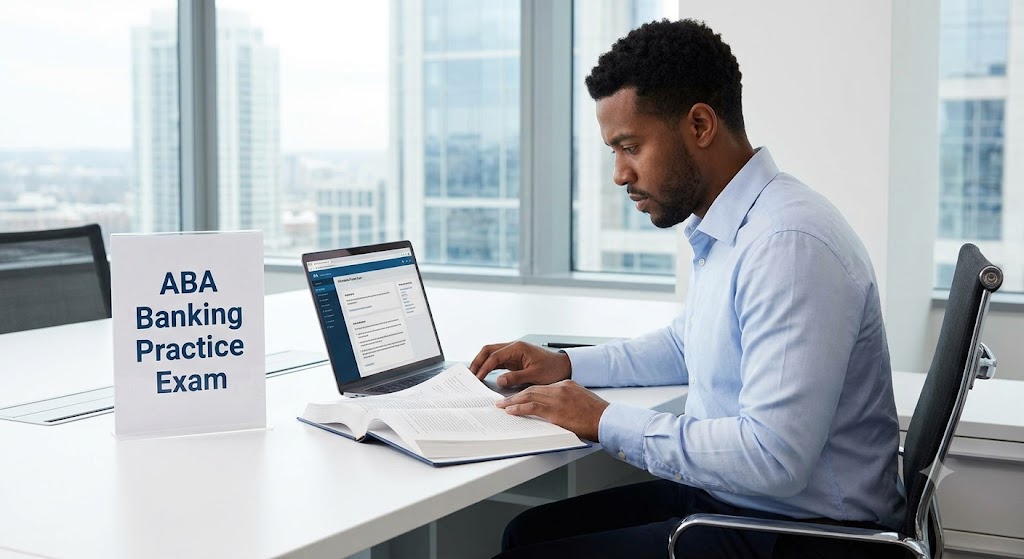
Additional Information
What the Course Entails and Exam Details
While ACAT itself provides the examinations, not a single
course, preparing for an ACAT certification exam, like the comprehensive ABA,
requires a mastery of several core disciplines. The common body of knowledge
covers the fundamentals of financial accounting, including financial statement
preparation and analysis, the accounting cycle, and internal controls. A
significant focus is placed on individual, corporate, and partnership taxation,
encompassing income tax law, calculations, and filing requirements.
Furthermore, practical aspects of business law, ethics, and professional
responsibility are essential components of the curriculum, ensuring candidates
are prepared to provide sound and ethical financial advice to their clients.
What to Expect in
the Final Exam
The ACAT exams, including the cornerstone ABA exam, are
typically computer-based and primarily consist of multiple-choice questions.
The exam is divided into distinct sections, often tested in separate parts,
with the ABA exam split into Accounting and Taxation sessions, each with its
own time limit of approximately three hours. The questions are designed to
assess both knowledge and application through realistic case studies and
problem-solving scenarios. A scaled score of 70 is generally required to pass,
though specific details may vary slightly by year. Candidates are advised to
confirm the current format and scoring methodology directly with ACAT upon
registration.
How to Study and Exam Centers
Effective preparation for the ACAT exams must blend
theoretical study with extensive practical application. Utilize official study
materials and review courses endorsed by ACAT, which often include
comprehensive content outlines, practice questions, and full-length practice
exams that simulate the actual testing experience. Establish a structured study
schedule that dedicates sufficient time to each domain, identifying weak areas
early for focused revision. Form study groups or seek mentorship from current
ACAT credential holders for valuable insights. The ACAT exams are administered
through established testing networks, such as Scantron, offering thousands of
secure physical testing centers and, increasingly, live online proctoring
options for maximum convenience.
Job Opportunities
from the Course
Earning a professional ACAT certification significantly
broadens career prospects and increases earning potential for financial
practitioners. Below is a clear list of specific job titles and career paths
this credential unlocks:
- Accredited
Business Accountant (ABA)
- Accredited
Tax Preparer (ATP)
- Accredited
Tax Advisor (ATA)
- Accredited
Retirement Advisor (ARA)
- Independent
Tax Practitioner
- Small
Business Financial Consultant
- Public
Accountant in Local or Regional Firms
- In-house
Accountant for Small and Medium Enterprises (SMEs)
- Tax
Department Manager
- Financial
Controller for Small Businesses
Frequently Asked Questions
Reviews
5.0
Based on 0 reviews
Leave a Review
No reviews yet. Be the first to review!