
Clinical Training 1 (CT1) Day 4 Practice Exam
About this Exam
The Clinical Training 1 (CT1) Day 4 Practice Exam is an essential milestone designed for students and healthcare professionals in training who are building foundational patient care skills. This exam serves as a robust assessment tool to validate your comprehension of core medical principles and practical applications learned during the initial phase of your training. If you are pursuing a career in nursing, medical assistance, or any allied health field, this certification pathway ensures you have the competence and confidence required for hands-on patient interactions.
Ready to test your knowledge?
Login please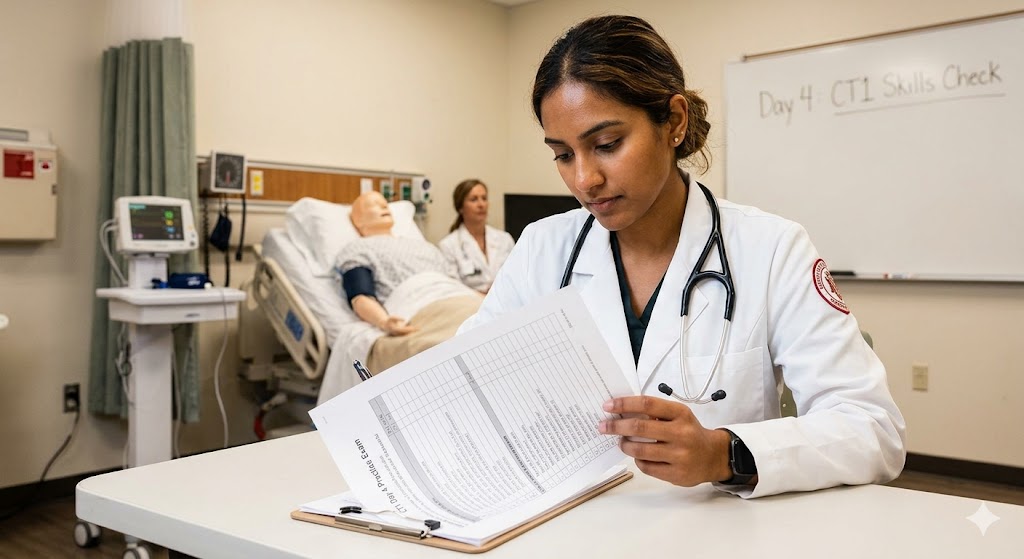
Additional Information
What the Course Entails and Exam Details
This program is structured to bridge the gap between theoretical medical knowledge and clinical application. Over the course of training, students dive deep into the fundamentals of physical examination, diagnostic procedures, and patient communication strategies. Key topics covered in the syllabus include:
Accurate measurement of vital signs (blood pressure, pulse, respiration, temperature).
Patient assessment techniques and medical history documentation.
Basic wound care and sterile technique protocols.
Emergency response fundamentals and safety procedures in a clinical setting.
Ethical and legal considerations in healthcare delivery.
What to Expect in the Final Exam
While the official certification exam may vary slightly by licensing body, students preparing for the final step should expect a rigorous, comprehensive assessment of their skills. The final exam typically includes:
A written component consisting of multiple-choice questions to test clinical reasoning and theoretical knowledge.
A practical skills evaluation (often a simulated patient encounter) where you must demonstrate key procedures under the observation of a certified evaluator.
Time limits for both the written and practical portions, emphasizing efficiency and accuracy.
Passing score requirements, which usually require demonstrating mastery of critical safety skills without error.
How to Study and Exam Centers
Preparation is paramount for success. We recommend starting with a structured study plan that includes both textbook review and hands-on practice. Utilize practice exams to familiarize yourself with the question formats and time constraints. For the practical portion, consider peer-to-peer practice to refine your clinical techniques and communication skills. When you are ready to schedule the official exam, you can find a list of authorized test centers through the official certification website. Exams are typically held at recognized testing facilities, physical clinical centers, or specialized healthcare training schools. Be sure to select a center that offers both the written and practical components if your exam requires them simultaneously.
Job Opportunities from the Course
Achieving this certification can be a significant catalyst for your healthcare career, unlocking a variety of entry-level roles in the medical field. Graduates and certified professionals can pursue positions such as:
Clinical Medical Assistant
Nursing Assistant / Patient Care Technician
Outpatient Clinic Aide
Healthcare Support Specialist
Laboratory Assistant
Home Health Aide
Frequently Asked Questions
Reviews
5.0
Based on 0 reviews
Leave a Review
No reviews yet. Be the first to review!