
Assistive Technology Professional (ATP) Practice Test
About this Exam
Are you a dedicated professional helping individuals with disabilities achieve independence through assistive technology?
The Assistive Technology Professional (ATP) certification, offered by the Rehabilitation Engineering and Assistive Technology Society of North America (RESNA), signifies expertise in assessing the need for AT, as well as selecting, implementing, and training users on AT devices.
It is a crucial standard for those working in rehabilitation engineering, occupational therapy, speech-language pathology, and related fields.
This practice exam is your essential first step toward achieving this prestigious certification. It is designed to familiarize you with the format, style, and content domains of the actual RESNA ATP exam, giving you the confidence and readiness to succeed on test day.
Whether you're a seasoned practitioner looking to validate your skills or a relative newcomer to the field, this guide will help you prepare effectively.
Ready to test your knowledge?
Start now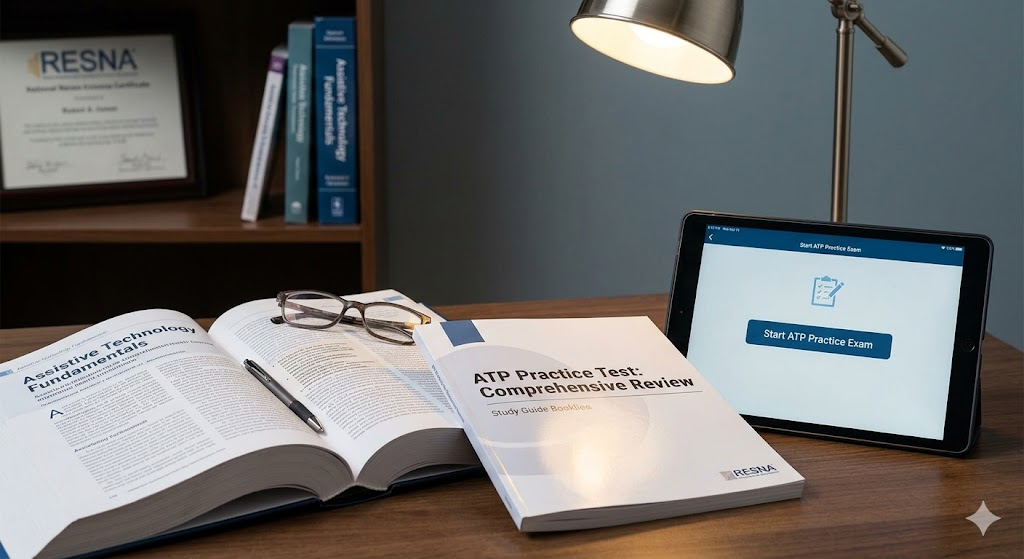
Additional Information
What the Course Entails and Exam Details
The ATP exam is not tied to a specific coursework curriculum, but rather assesses comprehensive knowledge gained through experience and study across several core domains. This practice guide is structured to cover those essential areas.
Candidates preparing for this test should expect rigorous questions across the official RESNA knowledge domains, which include:
1. Assessment of Client Needs: This section focuses on evaluating the consumer’s functional abilities, limitations, and environment to determine appropriate AT solutions. It covers basic assessment principles, matching person and technology, and ethical considerations.
2. Development of AT Solutions (Intervention Strategies): Here, you will be tested on your ability to synthesize assessment findings to design and implement an AT plan. This includes product selection, customization, integration of different systems, and funding strategies.
3. Implementation of AT Solutions: This domain covers the actual delivery and setup of assistive technology. Questions focus on training the user and their support system, performance fitting, and troubleshooting.
4. Evaluation of the Outcome of AT Solutions: It's not enough to deliver technology; we must measure its effectiveness. This area covers outcome measurement tools, assessing consumer satisfaction, and follow-up procedures.
5. Professional Conduct: Finally, the exam ensures all ATPs adhere to strict ethical standards, relevant legislation, and public policies related to assistive technology service delivery.
What to Expect in the Final Exam
While this guide provides crucial practice, understanding the official RESNA exam format is key to success.
The final ATP exam is a comprehensive, multiple-choice assessment. It is not an open-book test.
Candidates are typically allowed four hours to complete the exam. It consists of 200 questions, which are heavily weighted towards the core assessment, intervention, and implementation domains.
The passing score is determined through a standard-setting process and may vary slightly, but candidates must demonstrate a minimum level of competency across all domains. You will receive your results, often indicated as Pass/Fail, upon completing the exam at the testing center.
How to Study and Exam Centers
Preparing for the ATP exam requires a blend of practical experience and dedicated study. This practice test is an ideal starting point, but we recommend a multi-faceted approach.
First, begin by utilizing this ATP practice exam multiple times. This will help you identify weak areas where you need further review.
Supplement this practice by studying official RESNA materials. The RESNA AT Review Manual and their fundamental textbooks are invaluable resources.
Furthermore, we suggest forming study groups or engaging with experienced ATP mentors. Real-world experience is often the best teacher in this field, and discussing complex case scenarios can strengthen your clinical reasoning skills.
When you feel ready, you will register for the official exam directly through the RESNA website.
The final ATP exam is administered via computer at authorized Prometric testing centers located globally.
Job Opportunities from the Course
Obtaining your ATP certification opens doors to specialized career paths and demonstrates a high level of commitment to quality care. This certification is highly recognized by employers and funding sources alike.
This certification unlocks and enhances job opportunities in a variety of settings, including hospitals, rehabilitation centers, specialized schools, and medical equipment suppliers.
Specific career paths and job titles this certification unlocks include:
Assistive Technology Specialist
Rehabilitation Engineering Technologist
Seating and Mobility Specialist
Occupational Therapist (ATP Certified)
Physical Therapist (ATP Certified)
Speech-Language Pathologist (ATP Certified)
Accessibility Consultant
AT Supplier/DME Representative
Vocational Rehabilitation Counselor specialized in AT
Achieving your ATP is a significant milestone that validates your expert skill set and enhances your professional standing in this vital field. Good luck with your preparation!
Frequently Asked Questions
Reviews
5.0
Based on 0 reviews
Leave a Review
No reviews yet. Be the first to review!